
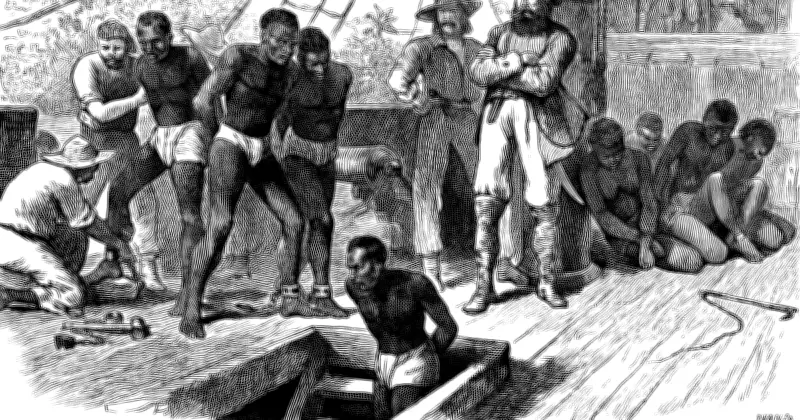
UN Declares Transatlantic Slave Trade Gravest Crime Against Humanity
The United Nations General Assembly has passed a historic resolution declaring the transatlantic slave trade as the gravest crime against humanity in history. This landmark vote occurred on March 25, 2026, marking a significant moment in international recognition of historical injustices.
Overwhelming Support with Notable Opposition
In the decisive vote, 123 nations voted in favor of the resolution, while the United States, Israel, and Argentina cast votes against it. Fifty-two countries, including the United Kingdom and various European Union member states, chose to abstain from the vote. Nigeria stood among the 123 nations supporting the resolution, aligning with Ghana's leadership on this critical issue.
Ghana's Compensation Demands and Justice Call
Ghana, which brought the resolution before the United Nations, has announced it will demand compensation for the enslavement of its people during the transatlantic slave trade. Foreign Minister Samuel Okudzeto Ablakwa emphasized to the BBC that African leaders are not seeking personal financial gain but rather justice for victims through educational funds, endowment funds, and skills training programs.
"We are demanding compensation - and let us be clear, African leaders are not asking for money for themselves," Ablakwa stated. "We want justice for the victims and causes to be supported, educational and endowment funds, skills training funds."
Demand for Return of Looted Cultural Artifacts
The resolution also includes a strong demand for the return of cultural artifacts stolen during the colonial era. Ablakwa highlighted the importance of these items, stating they represent heritage, culture, and spiritual significance that rightfully belong to their countries of origin.
"We want a return of all those looted artefacts, which represent our heritage, our culture, and our spiritual significance," he declared. "All those artefacts looted for many centuries into the colonial era ought to be returned."
Nigeria's Historical Connection and Support
Nigeria's support for the resolution reflects its deep historical connection to the transatlantic slave trade. Historical records indicate that at least 3.5 million people were shipped away as slaves from territories that now constitute modern Nigeria. The country also suffered significant cultural losses, particularly from the Benin Kingdom, which was sacked by British forces in 1897, resulting in the looting of numerous priceless artifacts.
Historical Scale and Presidential Statements
Between 1501 and 1867, approximately 12.5 million Africans were forcibly transported across the Atlantic, with an estimated 8 million originating from West African coastal regions. Ghanaian President John Dramani Mahama addressed the UN General Assembly, calling the resolution historic and criticizing attempts to erase Black history, specifically mentioning former American President Donald Trump's actions.
International Reactions and Reparations Debate
Ghana's demand for reparations resonates with many Africans and descendants of enslaved people across the Americas and Europe. However, opposition exists, notably from UK Conservative Party leader Kemi Badenoch, who has labeled reparations demands as a "scam" and emphasized that Britain ended the slave trade, arguing for a future-focused approach rather than historical compensation.
The resolution represents a significant step in international acknowledgment of historical atrocities while setting the stage for ongoing discussions about justice, compensation, and cultural restoration for affected nations and communities worldwide.




