
Iran Bombs Kuwait Oil Refinery Amid Escalating Gulf Conflict
On Friday morning, Iranian drone attacks struck Kuwait's Mina Al-Ahmadi oil refinery, igniting a significant fire and forcing the shutdown of a major portion of the facility. This assault occurred just hours after Arab nations demanded an immediate end to hostilities in the region, highlighting the intensifying crisis that now threatens global energy markets.
Simultaneous Strikes Across the Region
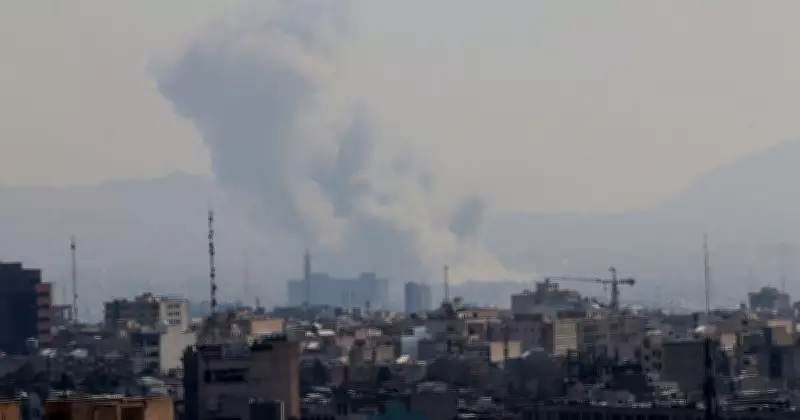
The refinery attack coincided with sirens blaring across Jerusalem and northern Israel, warning of incoming fire, while loud explosions were reported over Tehran as Israeli strikes targeted the Iranian capital. These events unfolded as Iranians celebrated Nowruz, the Persian New Year, adding a layer of cultural disruption to the military conflict.
Kuwait Petroleum Corporation confirmed that two waves of drone strikes hit the Al Ahmadi refinery at the port, triggering a fire that emergency crews are working to contain. This facility, capable of processing approximately 730,000 barrels of oil daily, had already sustained damage in a separate Iranian assault on Thursday. As one of only three oil refineries in Kuwait, the attack represents a severe blow to the nation's energy infrastructure.
Global Energy Crisis Fears Intensify
The conflict has sent shockwaves through international energy markets, with Brent crude oil prices surging to over US$119 per barrel during Thursday's attacks before settling around US$107 in Friday morning trading. This represents a staggering 47% increase since Israel and the United States initiated hostilities against Iran on February 28.
Iran's tightening control over the Strait of Hormuz, a crucial waterway through which approximately one-fifth of the world's oil passes, has amplified concerns about potential supply disruptions. The situation worsened when Israel bombed Iran's South Pars offshore natural gas field earlier in the week, threatening Iran's electricity generation capacity since natural gas fuels about 80% of the country's power supply.
Regional Escalation and Casualties
The violence has spread across multiple fronts. In Dubai, massive explosions rocked the city as air defenses intercepted incoming projectiles during Eid al-Fitr celebrations. Bahrain's Interior Ministry reported a warehouse fire caused by shrapnel from a downed projectile, while Saudi Arabia confirmed shooting down several drones targeting its oil-rich Eastern Province.
Casualty figures continue to mount, with over 1,300 people killed in Iran according to reports. Israeli strikes targeting Hezbollah militants in Lebanon have displaced more than one million individuals and killed over 1,000 people, according to Lebanese authorities. Israel claims to have eliminated more than 500 Hezbollah fighters, while 15 Israelis have died from Iranian missile attacks, with four additional fatalities in the occupied West Bank. At least 13 U.S. military personnel have also perished in the violence.
Political Developments and Sabotage Plots
In a rare public address, Iran's newly installed Supreme Leader Ayatollah Mojtaba Khamenei declared that the nation's adversaries should have their "security" stripped away. This statement came after Israel reportedly killed Iran's Intelligence Minister Esmail Khatib earlier in the week. Notably, Mojtaba Khamenei has maintained a low public profile since assuming leadership following his father's death in an Israeli airstrike that marked the conflict's beginning.
Meanwhile, the United Arab Emirates announced it had dismantled a terrorist network allegedly backed by Lebanon's Hezbollah and Iran, arresting five men accused of money laundering and plotting to undermine the country's financial stability. This development underscores how the conflict extends beyond military engagements into economic and security domains.
Military Claims and Counterclaims
Israeli Prime Minister Benjamin Netanyahu announced a temporary halt to attacks on Iran's gas fields following a request from U.S. President Donald Trump, while claiming Israel had neutralized Iran's ballistic missile production capability. However, Iran's Revolutionary Guard quickly countered this assertion, with spokesman General Ali Mohammad Naeini stating, "We're making missiles even during wartime, which is pretty impressive, and there's no trouble at all with stockpiling them." Iranian state TV later reported Naeini's death in an airstrike early Friday.
The conflict has also expanded geographically, with Israel widening its military actions to include Syria, targeting infrastructure in response to attacks on the Druze community. Additionally, Israeli authorities arrested a reservist who worked with the Iron Dome missile defense system, suspecting him of selling sensitive security information to Iranian intelligence over several months.
As the conflict enters its third week with no signs of de-escalation, the international community watches anxiously, concerned about both regional stability and the potential for a full-blown global energy crisis triggered by the disruption of vital oil supplies from the Gulf region.




