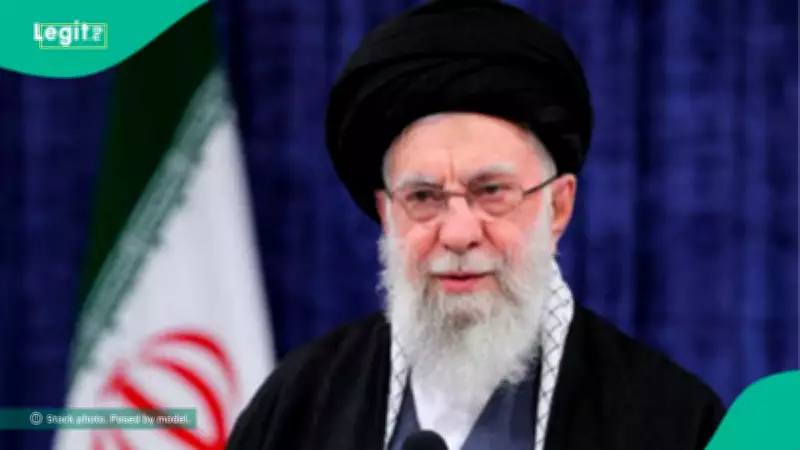
Iran Confirms Death of Supreme Leader Ayatollah Ali Khamenei
The Islamic Republic of Iran has officially confirmed the death of its Supreme Leader, Ayatollah Ali Khamenei. The confirmation came through state media channels, marking a significant moment in the nation's history.
Details of the Incident
According to reports from Iranian news agencies, Ayatollah Khamenei was killed at his office in the early hours of Saturday, February 28, 2026. The incident occurred while he was "performing his assigned duties" as the country's highest-ranking political and religious authority.
The confirmation was first reported by international media outlet Al Jazeera, which cited Iran's Fars and Tasnim news agencies as sources for the development. These agencies are known for their close ties to the Iranian government and security apparatus.
National Response and Mourning Period
In response to the Supreme Leader's death, Iranian authorities have declared a 40-day period of public mourning. This traditional Islamic mourning period is customary for significant figures in Iranian society and reflects the gravity of the loss.
The announcement of mourning comes as the nation prepares for what will undoubtedly be a period of transition and uncertainty. Ayatollah Khamenei had served as Supreme Leader since 1989, making his death a watershed moment for Iranian politics and society.
Context and Implications
The death of Iran's Supreme Leader represents more than just the passing of an individual leader. It marks the end of an era in Iranian governance and raises important questions about the country's future direction.
As the highest authority in Iran's political system, the Supreme Leader holds ultimate power over all branches of government, the military, and the judiciary. The process for selecting a successor is expected to follow constitutional procedures, though the timing and nature of this transition remain unclear.
The 40-day mourning period will likely see:
- Official ceremonies and memorial services across the country
- Heightened security measures throughout Iran
- Increased attention on succession procedures and potential candidates
- International monitoring of the political transition process
This development comes at a particularly sensitive time in regional and international affairs, with Iran playing a significant role in Middle Eastern geopolitics. The transition of power will be closely watched by allies and adversaries alike.