
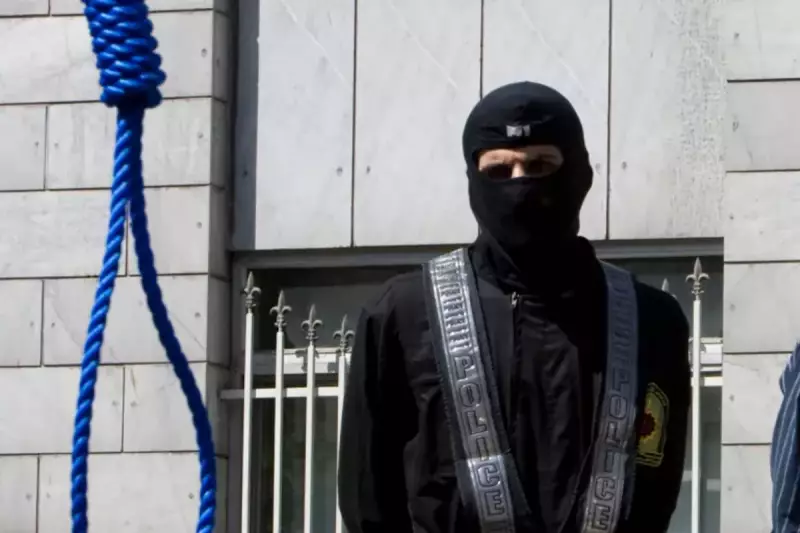
Iran Carries Out Execution of Man Accused of Spying for Israel
Iranian authorities executed a man on Wednesday after convicting him of espionage activities on behalf of Israel, according to official judicial reports. The execution adds to growing international concern about Iran's human rights practices and use of the death penalty.
Details of the Espionage Case
The Iranian judiciary's media outlet Mizan reported that Hamidreza Sabet Esmailpour was hanged at dawn following his conviction for passing classified information to an agent of Mossad, Israel's intelligence service. According to the official statement, Esmailpour was arrested on 29 April 2025 and subsequently found guilty of "espionage and intelligence cooperation in favor of a hostile intelligence service."
Mizan stated that the execution proceeded after the Supreme Court confirmed the verdict and all legal procedures were completed. The agency specifically mentioned that the convicted individual was accused of transferring classified documents and information to Israeli intelligence operatives.
Broader Context of Executions
This execution occurs within a troubling pattern of capital punishment in Iran. Human rights organizations have documented that twelve people have been hanged on similar espionage charges since Israel's conflict with Iran in June 2025. These cases typically involve allegations of cooperation with foreign intelligence services, particularly those considered hostile to the Iranian regime.
The timing of this execution is particularly significant as it follows recent violent crackdowns on anti-government protests. According to various reports, Iranian security forces have killed thousands, with some estimates reaching tens of thousands, of demonstrators earlier this month. This has drawn intense international scrutiny to Iran's human rights record.
International Reactions and Denials
Global responses to Iran's actions have been sharply critical. US President Donald Trump has threatened military action against Iran in response to what he called the "brutal crackdown" on protesters. Trump has claimed that Tehran informed him about canceling approximately 800 planned executions of individuals arrested during the recent unrest, though Iranian authorities have officially denied making any such statement.
Human rights organizations and Western governments have consistently condemned Iran's increasing reliance on capital punishment, especially for offenses with political or espionage dimensions. Critics argue that many convictions rely on coerced confessions obtained under duress, and that trials frequently occur behind closed doors without adequate legal representation for the accused.
Iran's Official Position
Despite international criticism, Iranian authorities maintain that those executed were legitimate threats to national security. Tehran consistently describes executed individuals as "agents of hostile intelligence services" involved in terrorism or sabotage activities against the state. The government asserts that all legal processes are followed and that executions only occur after thorough judicial review.
This case highlights the ongoing tension between Iran's national security concerns and international human rights standards. As global attention remains focused on Iran's internal policies, the execution of Hamidreza Sabet Esmailpour serves as another flashpoint in the debate about justice, sovereignty, and human dignity in international relations.




