
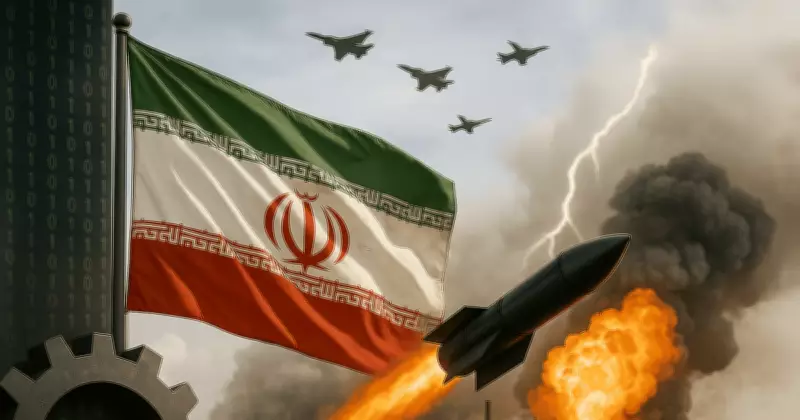
Iran's Missile Arsenal Severely Depleted in Ongoing Regional Conflict
Iran's missile stockpile has reportedly dwindled to approximately 1,000 projectiles after the Islamic Republic used most of its ammunition to bombard regional targets, including Israel and Gulf Arab nations. This significant reduction from an initial arsenal of about 2,500 missiles raises serious concerns about regional security and the escalating tensions in the Middle East.
Sharp Decline in Missile Inventory
According to the Israeli think tank Alma Research Centre, Iran began the conflict with a stockpile of roughly 2,500 missiles but has now exhausted much of this ammunition through sustained attacks. The rate of missile launches has dropped considerably from dozens per day at the conflict's outset to approximately 10 missiles daily targeting Israel. This decline suggests Iran's capacity for retaliatory strikes has diminished as the Middle East conflict approaches its one-month mark.
Iran's Demonstrated Resilience
Despite the current depletion, experts note Iran has shown remarkable recovery capabilities in the past. Following a 12-day war last year, Tehran was left with about 1,500 missiles but managed to produce another 1,000 within eight months. Lieutenant Colonel Sarit Zehavi, an IDF reservist and head of the Alma Research Centre, expressed surprise at how successfully Iran rebuilt its forces after last June's conflict. She warned that if the Iranian people don't "finish the job," the Islamic Republic will remain in power and work to rebuild its military capabilities.
Impact on Regional Security
Iran's use of ballistic missiles has challenged Israel's confidence in its air defense systems. Recent attacks on the cities of Dimona and Arad resulted in dozens of injuries, with Israel apparently unable to intercept Tehran's missiles. These strikes occurred dangerously close to Israel's main nuclear facility, marking the first time Iranian missiles have penetrated Israel's air defenses in that sensitive area.
Rescue teams reported significant damage in Arad, where a direct hit affected at least ten apartment buildings, with three suffering severe structural damage and risk of collapse. Meanwhile, in Tel Aviv, a missile carrying a 100-kilogram warhead evaded Israeli defenses and struck a city center street, shattering windows and creating a large plume of smoke.
Regional Consequences and Diplomatic Tensions
The conflict has affected multiple Gulf nations. In Kuwait, fragments from air defense systems hit power lines, causing partial outages lasting several hours. Bahrain activated missile alert sirens, while Saudi Arabia's Defense Ministry announced it had intercepted 19 Iranian drones targeting its oil-rich Eastern Province.
Diplomatic tensions continue despite U.S. President Donald Trump's claims of ongoing negotiations with Iran to end the war. Trump extended a deadline for Iran to allow shipping through the strategically vital Strait of Hormuz or face airstrikes targeting Iranian power stations. This brief delay caused oil prices to drop slightly and boosted stock markets, providing temporary relief after weekend threats between the U.S. and Iran.
However, Iran has denied any negotiations are taking place. Iranian parliament Speaker Mohammad Bagher Qalibaf stated on social media that "no negotiations have been held with the U.S." and accused the U.S. of using "fake news to manipulate financial and oil markets." Israeli Prime Minister Benjamin Netanyahu responded by declaring Israel will continue striking Iran and Lebanon regardless of U.S. ceasefire considerations, warning "there's more to come."
Broader Implications
The conflict has raised fears of potential catastrophe if nuclear facilities are targeted, with threats including strikes that could knock out electricity for millions in Iran and Gulf nations, as well as disable desalination plants providing drinking water to desert countries. As Iran's missile supply dwindles, questions remain about how quickly the Islamic Republic can replenish its arsenal and what this means for the future stability of the Middle East.




