
Iran Initiates Nuclear Dialogue with United States Amid Heightened Regional Tensions
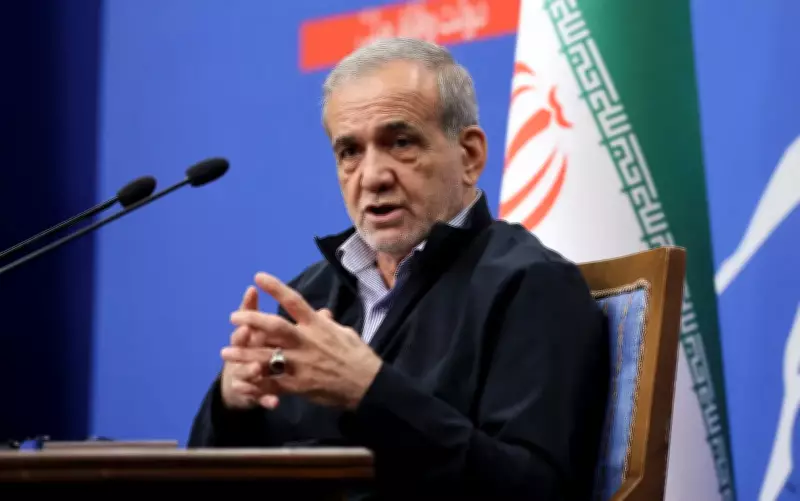
In a significant diplomatic development, Iranian President Masoud Pezeshkian has formally ordered the commencement of nuclear negotiations with the United States, according to reports from multiple Iranian media outlets. This move comes as U.S. President Donald Trump issued a stark warning that "bad things" would occur should both nations fail to reach a comprehensive agreement regarding Iran's nuclear program.
Escalating Tensions and Diplomatic Maneuvers
The decision to engage in talks follows a period of intense regional instability, marked by Iranian authorities' forceful response to widespread anti-government protests that reached their peak last month. In reaction to these events, the United States has escalated its military posture by threatening direct action and deploying an aircraft carrier group to the Middle East, further complicating the geopolitical landscape.
President Trump has expressed cautious optimism about the potential for diplomatic resolution, stating his hope that Washington could "work something out" with Tehran. However, during a recent address, he reiterated his grave concern that failure in negotiations would lead to severe consequences, emphasizing that time is rapidly diminishing for Iran to secure an accord on its nuclear ambitions.
Media Reports and Meeting Preparations
Iran's Fars news agency, citing an anonymous government source, confirmed that President Pezeshkian has directed the opening of discussions with American officials. This report was subsequently echoed by the government newspaper Iran and the reformist daily Shargh, lending credibility to the announcement.
Diplomatic sources indicate that a preliminary meeting is scheduled to occur in Turkey this Friday, facilitated through the concerted efforts of regional intermediaries including Egypt, Qatar, Turkey, and Oman. An Arab official, speaking on condition of anonymity due to the sensitive nature of the talks, revealed these arrangements.
According to U.S. news outlet Axios, which referenced two unnamed sources, Iranian Foreign Minister Abbas Araghchi is expected to convene with U.S. envoy Steve Witkoff in Istanbul. Their discussions will focus on exploring the framework for a potential nuclear agreement that addresses international concerns.
Iran's Diplomatic Position and Regional Dynamics
Tehran has consistently affirmed its preference for diplomatic solutions while simultaneously warning of a robust response to any perceived aggression. In a recent CNN interview, Foreign Minister Araghchi aligned Iran's stance with President Trump's opposition to nuclear weapons, stating, "President Trump said no nuclear weapons, and we fully agree. That could be a very good deal." He further emphasized that Iran anticipates the lifting of economic sanctions as part of any negotiated settlement.
Iranian foreign ministry spokesman Esmaeil Baqaei elaborated that Tehran is actively developing a structured methodology for negotiations, which should be finalized within the coming days. Communication between the two nations is currently being managed through regional intermediaries to facilitate dialogue.
Regional Diplomacy and Security Concerns
Turkey has emerged as a pivotal actor in diplomatic efforts to de-escalate tensions, with Foreign Minister Araghchi visiting Istanbul last week for consultations with counterparts from Egypt, Saudi Arabia, and Jordan. During these meetings, Jordan's Foreign Minister Ayman Safadi assured that his kingdom would not permit its territory to be utilized as a battleground in any regional conflict or as a launchpad for military operations against Iran.
Iranian leadership, including Supreme Leader Ayatollah Ali Khamenei, has issued stern warnings that any American military strike would inevitably trigger a broader regional war, underscoring the high stakes involved in the current diplomatic impasse.
Domestic Unrest and International Repercussions
The backdrop to these negotiations includes ongoing domestic turmoil within Iran. Protests initially erupted in late December due to severe economic pressures and intensified dramatically in early January. Iranian authorities have characterized these demonstrations as riots instigated by foreign adversaries, particularly the United States and Israel, with Supreme Leader Khamenei comparing the unrest to an attempted coup.
Official reports acknowledge thousands of fatalities during the protests, with recent releases naming most of the deceased. Authorities contend that many victims were security personnel or innocent bystanders, attributing the violence to terrorist activities. However, human rights organizations challenge these accounts, with one U.S.-based group reporting a significantly higher death toll, predominantly comprising protesters allegedly killed by security forces.
The crackdown has profoundly strained Iran's relations with European nations. The European Union has designated the Islamic Revolutionary Guard Corps as a terrorist organization, prompting Iranian lawmakers to reciprocate by labeling European armies similarly. Both the EU and Britain have imposed additional sanctions on Iranian officials, citing what they describe as the brutal suppression of protests.
In response, Foreign Ministry spokesman Baqaei confirmed that EU ambassadors in Tehran have been summoned over the designation, with warnings of further retaliatory measures. Additionally, Iranian state television reported the arrest of four foreigners in Tehran for alleged involvement in the unrest, though their nationalities remain undisclosed. Rights groups estimate that at least 40,000 individuals have been detained since the protests began.
Public Sentiment and Personal Accounts
Amid the political and social upheaval, ordinary Iranians express mixed emotions. Ali Hamidi, a pensioner in Tehran, stated he is unafraid of war but questioned Washington's global role. He also urged Iranian officials to assume responsibility for the country's economic challenges and move beyond rhetoric to implement tangible solutions.
The climate of fear has driven some citizens to flee the country. Selina, a 25-year-old who requested anonymity, recounted traveling to Iraqi Kurdistan to escape what she described as pervasive anxiety. She noted that residents increasingly avoid evening outings due to the heavy military presence on the streets.
As diplomatic channels open, the international community watches closely, hoping that dialogue may avert further escalation in one of the world's most volatile regions.




