
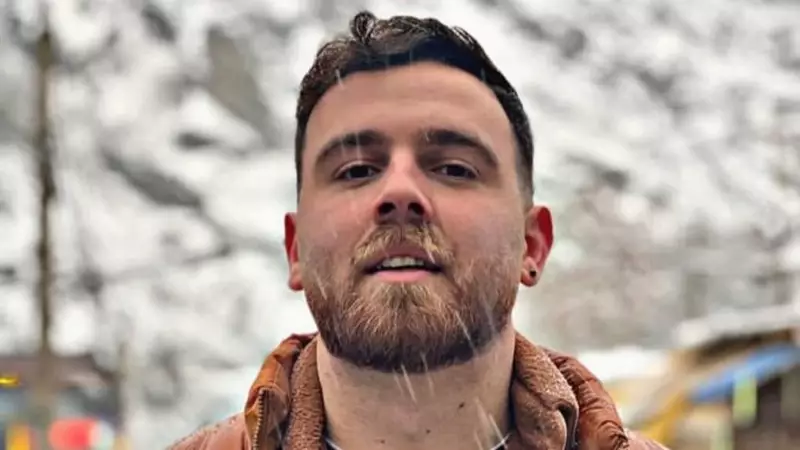
In a dramatic development, Iran has postponed the execution of a young man sentenced to death for participating in recent protests. This move came shortly after a stark warning from United States President Donald Trump, suggesting a significant shift in the tense situation.
A Last-Minute Reprieve Following International Pressure
Erfan Soltani, a 26-year-old clothes shop owner, was scheduled to be hanged on Wednesday, January 14. He had become the first protester in the latest wave of unrest to receive a death sentence. His family, in a desperate public plea, appealed directly to President Trump to intervene and save his life.
President Trump responded forcefully, warning that the United States would take "very strong action" if Iranian authorities began executing detained protesters. He added a cryptic but clear threat: "If they hang them, you’re going to see something."
Following these remarks, Soltani's family reported they were informed that his execution would not proceed as planned. However, they stressed this was only a postponement, not a pardon. Soltani remains in solitary confinement at Ghezel Hesar prison and could face execution at any time.
Contradictory Signals from Tehran and a Rising Death Toll
Hours after the family's announcement, President Trump stated he had been told "on good authority" that plans for the executions had stopped. This claim emerged even as Tehran signaled that its crackdown, including fast-track trials and harsh punishments, would continue.
The human rights situation in Iran remains dire. According to the organization Iran Human Rights, more than 3,400 people have been killed by Iranian security forces since protests erupted in late December.
Iranian Foreign Minister Abbas Araqchi has publicly denied any plan to carry out executions linked to the protests. In a television interview, he claimed hanging was "out of the question," a statement that contradicts longstanding reports from rights groups about the common use of execution in Iranian prisons.
Regional Tensions and the Fear of Military Escalation
Araqchi also offered the government's narrative of the unrest, alleging that days of peaceful demonstrations over economic hardship were followed by violence orchestrated by Israel, and that calm had since been restored.
Amid the rising tension, Iran's decision to close its airspace has fueled widespread fears of possible US military action. When asked if military intervention remained an option, President Trump said he was closely monitoring developments.
"We’re going to watch and see what the process is," he told reporters, noting he had received a "very good statement" from people familiar with the situation. The world now watches to see if the reprieve for Erfan Soltani is permanent or merely a temporary pause in Iran's severe crackdown.




