
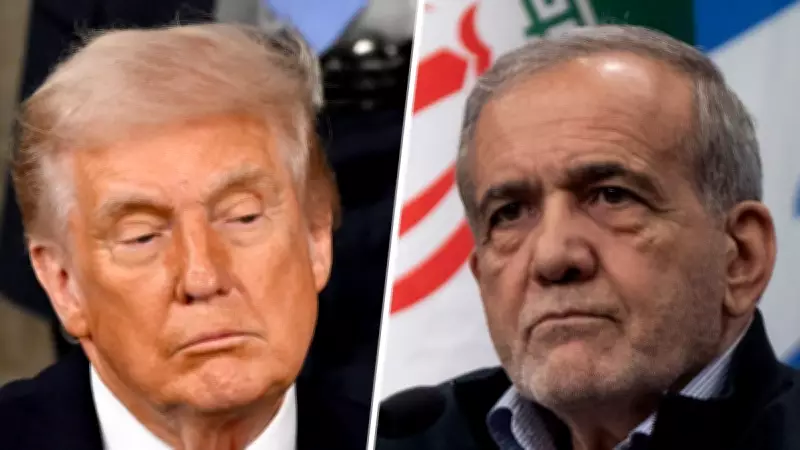
Iran Rejects Trump's 15-Point Cease-Fire Plan, Proposes Own Demands to End War
Iran has firmly rejected President Donald Trump's 15-point peace plan, dismissing it as unacceptable while presenting its own set of demands to conclude the ongoing conflict. This development comes after Trump claimed that Iran had agreed to major components of his proposal, including abandoning its nuclear weapon ambitions. According to state media reports, Tehran conveyed to mediators that Trump's plan was entirely unacceptable, marking a significant diplomatic standoff.
Iran's Counter-Demands for Peace
In response to Trump's proposal, Iranian lawmakers have outlined their own deal, which includes several key provisions. The Islamic Republic demands full control over the Strait of Hormuz, a critical shipping route that facilitates access to approximately 20% of the world's oil supply. This control would allow Iran to collect fees from vessels passing through the strait, similar to Egypt's management of the Suez Canal, creating a new revenue stream for the nation.
Additionally, Iran insists on a complete American withdrawal from the Gulf region, including the closure of all US military bases. The Islamic Revolutionary Guard Corps, which has consolidated power within Tehran's regime, has vowed to continue the war until these conditions are met, along with reparations for US attacks on Iran. Iran's demands also call for an end to all international sanctions imposed on the Islamic Republic.
Clashing Proposals and Regional Implications
Iran's demands directly conflict with Trump's 15-point peace plan, which includes provisions such as dismantling Iran's nuclear capabilities, committing never to pursue nuclear weapons, and ceasing support for regional proxies. A US official, cited by the Wall Street Journal, labeled Iran's counter-proposal as "ridiculous" and "unrealistic," highlighting the deep divide between the two sides.
While Iran's demands do not explicitly address its nuclear program, they stipulate that the country should retain its missile program without any negotiations to limit it. Iran also calls for a permanent end to the war and Israel's conflict with Hezbollah, the Iran-backed group in Lebanon. In contrast, Trump's plan requires Iran to abandon its "regional proxy paradigm" and limit its missile program in both range and quantity.
Diplomatic Stalemate and Future Prospects
A senior Iranian official, speaking to PressTV, criticized Trump's demands as "excessive" and disconnected from ground realities, noting that the US has yet to achieve its objectives in the fourth week of the war. The official emphasized that Iran will decide when to end the war, based on its own conditions being met, rather than adhering to Trump's timeline.
As the diplomatic impasse continues, the prospects for a swift resolution appear dim. Iran's insistence on strategic control over the Strait of Hormuz and an end to sanctions, coupled with the US's focus on nuclear disarmament and proxy conflicts, underscores the complex and multifaceted nature of the negotiations. The outcome of this standoff will likely have significant implications for regional stability and global energy markets.




