
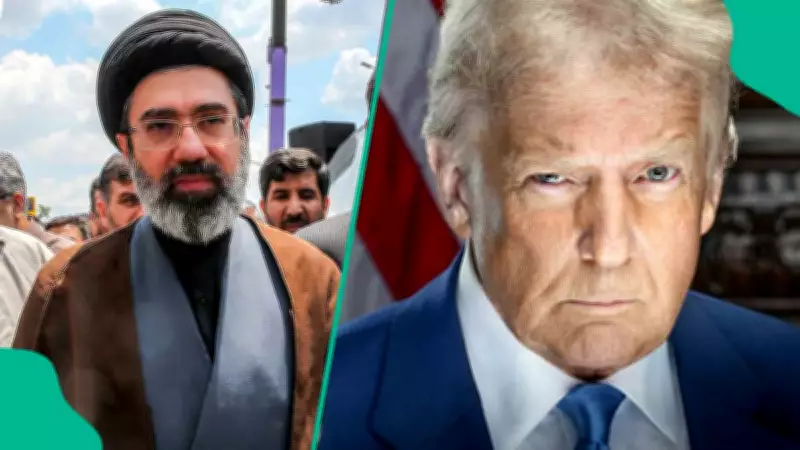
Iran Rejects US Ceasefire Proposal, Outlines Stringent Conditions for Peace
In a significant diplomatic development, Iran has formally rejected a United States proposal aimed at pausing the ongoing conflict in the Middle East. According to reports from state-owned Press TV, Tehran has instead launched additional military attacks against Israel and Gulf Arab nations while presenting its own stringent conditions for any potential ceasefire agreement.
Tehran's Demands for Ceasefire
Citing an unnamed senior security official, Press TV revealed that Iran's conditions include comprehensive guarantees that both the United States and the Benjamin Netanyahu-led Israeli government would not resume hostilities following any agreement. Additionally, Tehran is demanding substantial war reparations for damages incurred during the conflict and formal recognition of its authority over the strategically vital Strait of Hormuz.
"Iran will end the war when it decides to do so and when its own conditions are met," the official stated emphatically. "No negotiations will be held prior to that. Iran's defensive operations will continue until its conditions are met." The official characterized the US proposal as "excessive" and insufficient for addressing Tehran's security concerns.
Detailed Demands and Regional Implications
The Iranian official outlined specific demands that must be satisfied before any ceasefire could be implemented:
- An immediate halt to all attacks and targeted assassinations against Iranian interests
- Ironclad guarantees against future military conflicts with the United States and Israel
- Substantial financial compensation for war damages sustained by Iran
- Cessation of fighting across all fronts involving Iranian-allied groups in the region
- International recognition of Iran's sovereignty over the Strait of Hormuz
These conditions represent a significant hardening of Iran's position and complicate diplomatic efforts to de-escalate regional tensions. The Strait of Hormuz, through which approximately one-fifth of the world's oil passes, has long been a point of contention between Iran and Western powers.
Background of US-Iran Negotiations
The Iranian rejection comes amid ongoing diplomatic exchanges between Washington and Tehran. According to reports, Pakistan recently delivered a US proposal to Iranian officials, with Turkey or Pakistan being considered as potential venues for future talks. This diplomatic channel emerged following statements from US President Donald Trump regarding progress in discussions.
On Monday, March 23, President Trump announced that the United States and Iran had engaged in "very good and productive conversations" regarding a "complete and total resolution of hostilities" in the Middle East. As a result of these discussions, Trump stated he had postponed threatened military strikes against Iranian power plants and energy infrastructure for a five-day period.
"Based on the tenor and tone of these in-depth, detailed, and constructive conversations, which will continue throughout the week, I have instructed the Department of War to postpone any and all military strikes against Iranian power plants and energy infrastructure," Trump declared on his Truth Social platform.
Cryptic Developments and Regional Escalation
In a cryptic announcement preceding the ceasefire proposal rejection, President Trump revealed that Iran had given him a "very big present" related to the Strait of Hormuz, which he claimed boosted his confidence that he was negotiating with appropriate representatives in Tehran. This development occurred just one day before Trump's announcement about postponing attacks on Iranian infrastructure.
The Iranian rejection and continued military operations underscore the complex challenges facing diplomatic efforts to resolve the Middle East conflict. With Iran insisting on preconditions before any negotiations and continuing defensive operations, regional stability remains precarious as all parties navigate this delicate diplomatic landscape.




