
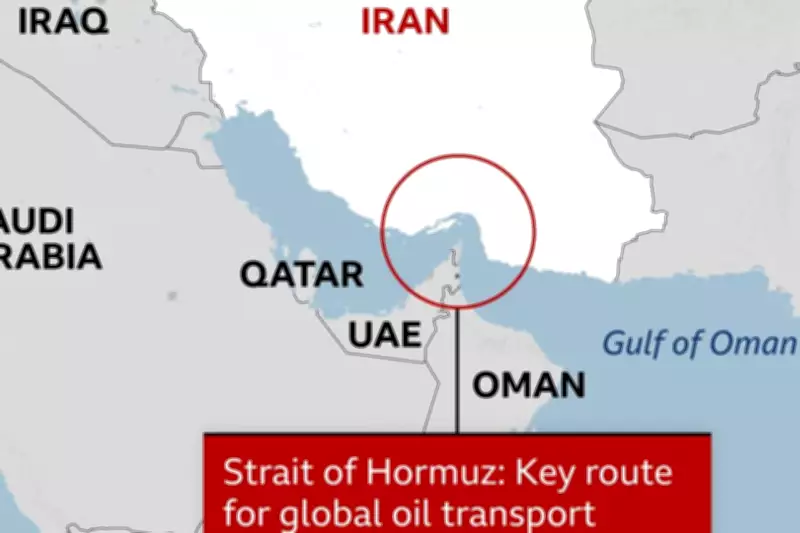
Iran Informs UN Security Council on Strait of Hormuz Passage Policy for Non-Hostile Vessels
Iran has officially communicated to the United Nations Security Council and the International Maritime Organization that non-hostile vessels will be permitted to transit the Strait of Hormuz, provided they coordinate with Iranian authorities. This announcement was made through a diplomatic note, which outlines the conditions for safe passage through this critical maritime chokepoint.
Conditions for Safe Passage Through the Vital Waterway
According to the diplomatic note, vessels that qualify for safe passage must meet specific criteria:
- They must not participate in or support any actions against Iran.
- They must fully comply with all safety and security regulations set by Iranian authorities.
- They must coordinate their transit with Iranian officials to ensure smooth passage.
Iran emphasized that this policy is part of what it described as necessary and proportionate measures to prevent adversaries from using the strait for hostile operations. The note explicitly states that vessels linked to the United States, Israel, or any parties involved in actions against Iran will not be granted safe passage.
Background and Global Implications
This development occurs amid ongoing conflict involving the United States, Israel, and Iran, which has significantly disrupted global energy supplies. The Strait of Hormuz is a critical route for international trade, through which approximately one-fifth of the world's oil and liquefied natural gas is transported. Any disruptions in this area can have far-reaching effects on energy markets and global economic stability.
The communication was shared with UN Secretary-General António Guterres and circulated among member states of the International Maritime Organization. This move reflects growing global concerns over the security of shipping routes and the stability of energy markets, as tensions in the region continue to escalate.
Iran's Strategic Position and Maritime Security
Iran's announcement underscores its strategic control over the Strait of Hormuz, a narrow waterway that is vital for global energy transit. By setting clear conditions for passage, Iran aims to assert its authority while attempting to mitigate risks of conflict. However, this policy also highlights the fragile nature of maritime security in the region, where geopolitical tensions can quickly impact international trade.
As global stakeholders monitor the situation, the effectiveness of Iran's coordination requirements and the response from affected nations will be crucial in determining the future of shipping through this essential corridor. The international community remains watchful, as any misstep could lead to further disruptions in an already volatile energy landscape.




