Iranian Clerics to Select New Supreme Leader Amid Israeli Threats
Following the death of Supreme Leader Ali Khamenei in missile strikes launched by the United States and Israel during their conflict with Iran, the country's clerical establishment is moving to appoint his successor. Khamenei, who was 86 years old and reportedly in poor health, was killed alongside members of his family, including his wife Zahra Adel, his mother Mansoureh Khojasteh Bagherzadeh, and one of his sons.
Succession Plans and Delays
Senior Iranian officials had prepared succession plans for Khamenei's death, though they likely did not anticipate the violent circumstances. According to Iran's state-linked Mehr News Agency, a decision on the successor has been reached, but "some obstacles" must be resolved before a public announcement. Hojjatoleslam Jafari, a member of the Assembly of Experts, expressed hope that the decision will satisfy the public, acknowledging the "bitter and unwanted" delay in electing the third leader.
Leading Candidates and Controversies
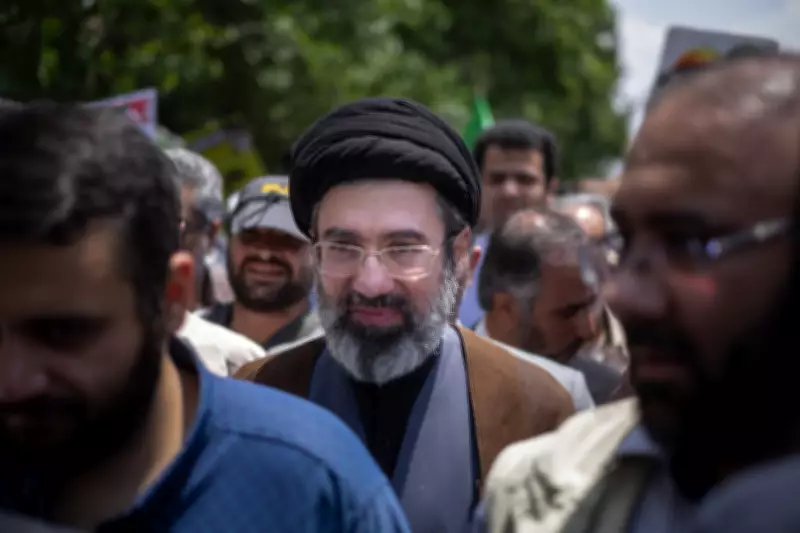
Mojtaba Khamenei, the second son of the late Supreme Leader, is reportedly the leading candidate, as indicated by The New York Times. However, his potential appointment is controversial. Christian Emery of University College London notes that Mojtaba lacks government experience, and his selection could undermine the Iranian Revolution's principle against hereditary rule, reminiscent of the Shah era. Despite this, Mojtaba has strong ties to the Islamic Revolutionary Guard Corps (IRGC), dating back to his service in the Iran-Iraq War, which could ensure the IRGC's continued influence.
Other candidates include:
- Gholam-Hossein Mohseni-Ejei, Iran's chief justice, known as a hardline figure associated with crackdowns on protests.
- Hassan Khomeini, grandson of the revolution's founder, seen as a stabilizing option due to his family name and connections.
- Alireza Arafi, a member of the Guardian Council and Assembly of Experts, viewed as a safe choice to continue Khamenei's policies.
Israeli Threats and Security Concerns
In a post on X, Israeli Foreign Minister Israel Katz warned that the next Supreme Leader would be "an unequivocal target for elimination," regardless of identity. This threat complicates the succession process, as Emery points out that convening the Assembly of Experts safely is challenging amid ongoing war, with risks of further targeting by Israel or the U.S.
Constitutional Process and Historical Context
Under Iran's constitution, the Assembly of Experts, an elected body of 88 clerics, is responsible for selecting the Supreme Leader by majority vote. A smaller committee typically prepares a shortlist beforehand. Historically, this process is swift; when Khamenei succeeded Ruhollah Khomeini in 1989, approval took only 24 hours. However, the current war may delay proceedings, as logistical and security issues arise.
Iran has had only two Supreme Leaders since the 1979 revolution: Khomeini, who ruled until 1989, and Khamenei. The selection of a third leader marks a critical juncture for the Islamic Republic, with implications for its political stability and international relations.