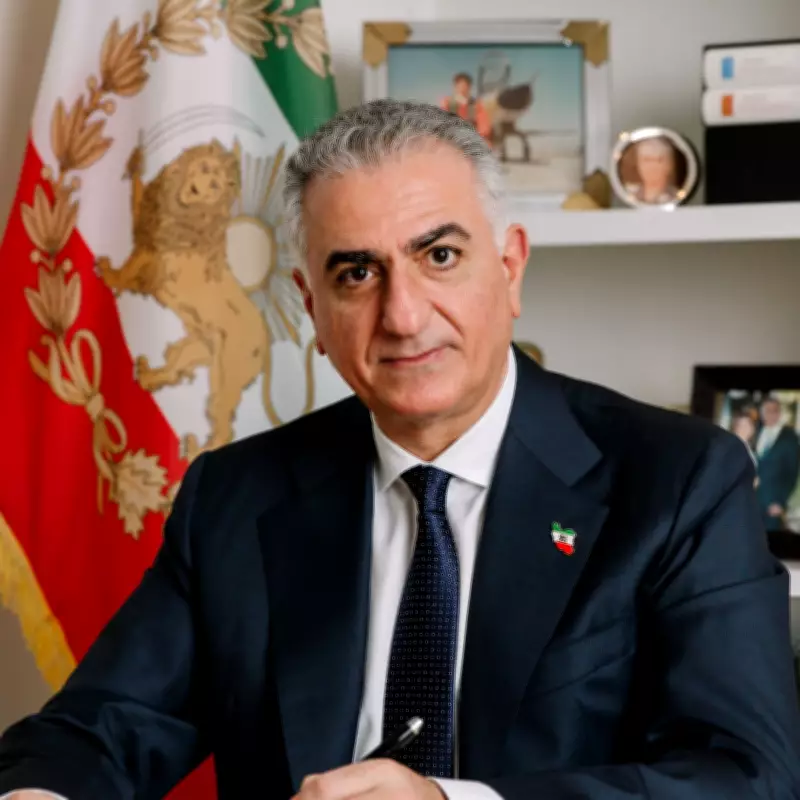
Iranian Prince Reza Pahlavi Proposes Himself as Transitional Leader After Khamenei's Death
Prince Reza Pahlavi, the son of Iran's last monarch, has publicly declared his willingness to lead the country during a transitional period until new elections can be held. This announcement comes in the wake of significant political upheaval following the death of Supreme Leader Ayatollah Ali Khamenei, who was reportedly killed in recent U.S.-Israeli strikes on Iranian territory.
Exiled Royal Makes Case for Democratic Transition
Having lived outside Iran for forty-seven years since the 1979 Islamic Revolution overthrew his father, Shah Mohammad Reza Pahlavi, the prince now believes the current regime could collapse. He argues that the Iranian people might trust him to guide the nation toward democracy, despite his prolonged absence from the country.
Pahlavi has been actively advocating for political change, emphasizing his vision for a democratic Iran. He suggests that his royal lineage and commitment to reform could position him as a unifying figure during this critical juncture.
Historical Context and Current Developments
The Islamic Revolution of 1979 marked a dramatic shift in Iran's governance, replacing the monarchy with the Islamic Republic led by religious figures like Khamenei. Now, with Khamenei's death creating a power vacuum, Pahlavi sees an opportunity for transformation.
His proposal includes:
- Serving as a transitional leader to stabilize the country
- Overseeing the establishment of democratic institutions
- Facilitating free and fair elections to choose a new government
This development has sparked discussions both within Iran and internationally about the future of Iranian leadership and the potential for systemic change.