
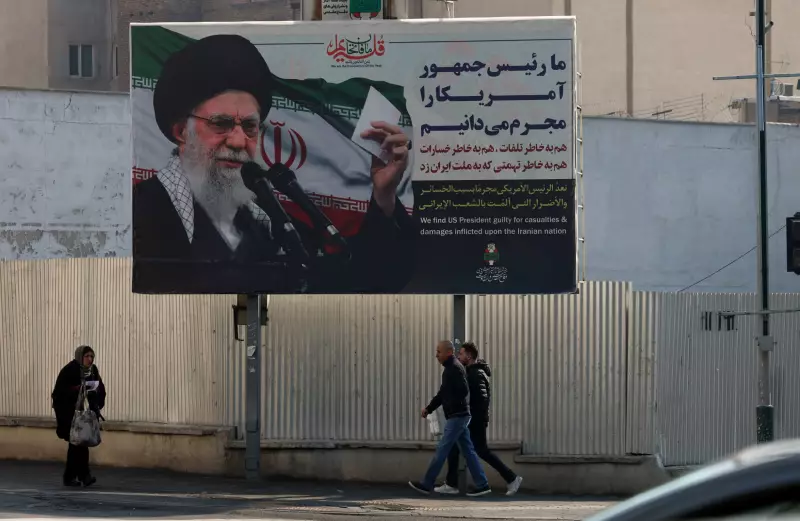
In a dramatic escalation of geopolitical tensions, Iran's Supreme Leader has reportedly been moved to a high-security underground bunker designed for wartime protection. This development comes amid growing fears of a potential US military strike against Tehran, as American naval forces continue their strategic positioning in the region.
Heightened Security Measures Amid Rising Threats
The relocation of Iran's Supreme Leader to a fortified underground shelter represents a significant security response to what senior Iranian military officials describe as an increased risk of American military action. This precautionary measure coincides with ongoing domestic unrest across Iran, where security forces have implemented a severe crackdown on widespread protests.
As the Ayatollah remains in this protected location, his third son, Masoud Khamenei, has reportedly assumed responsibility for managing his father's daily affairs and official duties. This transition of administrative functions underscores the seriousness with which Iranian authorities are treating the current security situation.
US Military Posturing and Presidential Warnings
The heightened alert status follows recent statements from US President Donald Trump, who confirmed the deployment of American warships toward Iranian waters. "We have a massive fleet heading in that direction, and maybe we won't have to use it," Trump remarked, characterizing the movement as precautionary while leaving military options open.
US Navy officials have verified that the aircraft carrier USS Abraham Lincoln, accompanied by supporting warships, is currently positioned in the Indian Ocean and moving closer to the Middle East theater. This naval deployment represents a tangible manifestation of the escalating tensions between the two nations.
Root Causes of Escalating Tensions
The current crisis has its origins in the wave of protests that erupted across Iran in late December, triggered by the dramatic collapse of the national currency, the rial. The Iranian government's violent response to these demonstrations has drawn international condemnation and specific warnings from the Trump administration.
President Trump has established what he describes as two clear red lines that could trigger US military intervention: the killing of peaceful protesters and the mass execution of individuals detained during the unrest. Although Iran has reportedly suspended plans to execute approximately 800 people arrested during the protests, American officials indicate that Trump remains deeply dissatisfied with Supreme Leader Ali Khamenei's handling of the domestic crisis.
Iranian Warnings and Military Preparedness
An Iranian official, speaking anonymously to Reuters, issued a stark warning that any American attack would trigger a full-scale regional conflict. "This time we will treat any attack, limited, unlimited, surgical, kinetic, whatever they call it – as an all-out war against us, and we will respond in the hardest way possible to settle this," the official declared.
The official further emphasized Iran's defensive posture, stating: "If the Americans violate Iran's sovereignty and territorial integrity, we will respond. This military buildup – we hope it is not intended for real confrontation, but our military is ready for the worst-case scenario. This is why everything is on high alert in Iran."
Media Rhetoric and Diplomatic Stalemate
Iranian state television has amplified the confrontational rhetoric, broadcasting warnings that referenced a failed assassination attempt against President Trump in 2024. One broadcast explicitly declared that "this time, the bullet won't miss," signaling Iran's willingness to respond aggressively to any perceived American aggression.
As diplomatic channels remain largely inactive and negotiations appear stalled, both nations continue to demonstrate military readiness and political resolve. This mutual posturing has raised significant concerns among international observers about the potential for miscalculation and the risk of a broader regional conflict that could have devastating consequences for Middle Eastern stability.
The situation remains fluid and highly volatile, with both Tehran and Washington maintaining positions that suggest neither side is prepared to back down from the current confrontation. The international community watches anxiously as these two powers navigate one of their most dangerous standoffs in recent years.




