
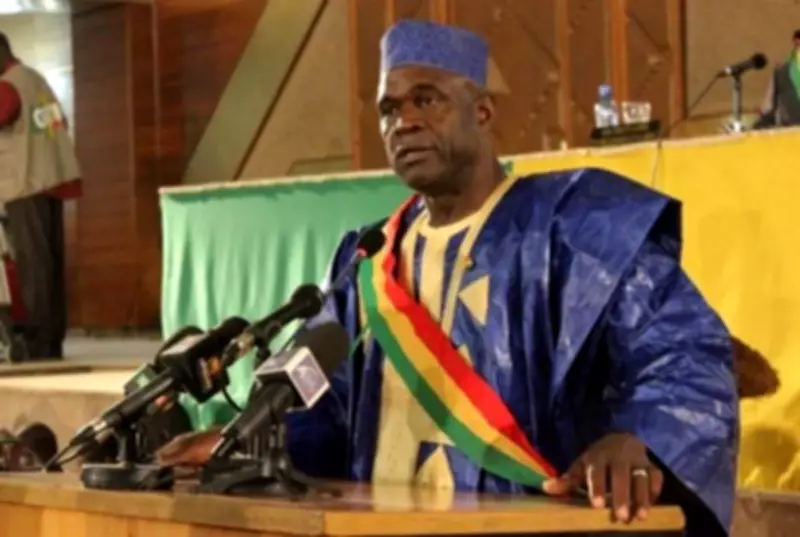
Malian Lawmaker Receives Three-Year Prison Sentence in Ivory Coast for Presidential Insult
A court in Abidjan, Ivory Coast, has delivered a significant verdict against a Malian politician, highlighting the strained diplomatic relations between the two West African countries. On Friday, the court sentenced Mamadou Hawa Gassama, a member of Mali's transitional parliament under junta rule, to three years in prison for insulting Ivorian President Alassane Ouattara.
Details of the Offense and Legal Proceedings
The case stems from an interview Gassama gave to Malian media in September 2022, during which he referred to President Ouattara as an "enemy of Mali." This statement led to his prosecution on charges of "insulting" the head of state and "disseminating offensive expressions online." Gassama was arrested in July after a stay in Ivory Coast and has been detained since then.
In addition to the three-year prison term, the court imposed a ban on residence for the same period upon his release, along with a fine. The severity of the sentence has sparked criticism from his legal team.
Reaction from the Defense and Broader Context
Gassama's lawyer, Mamadou Ismaila Konate, expressed strong disapproval of the court's decision, telling reporters, "We believe that this decision is, first of all, excessive; it is serious, and it is very severe." This case underscores the legal consequences of public statements in the region.
Gassama is known for his outspoken nature and previously served as an opposition lawmaker during the presidency of Ibrahim Boubacar Keita, who was ousted in the 2020 military coup. His imprisonment adds a new layer to the complex political landscape.
Background of Diplomatic Tensions
The sentencing occurs against a backdrop of heightened tensions between Mali and Ivory Coast, which have been strained since back-to-back coups in Mali in 2020 and 2021. These events brought General Assimi Goita to power in Bamako, a development that President Ouattara has strongly opposed.
Ouattara has been vocal in his criticism of the coups that have destabilized several countries in West Africa's Sahel region in recent years. This incident further complicates the diplomatic relationship, potentially impacting regional cooperation and stability.
The case highlights the intersection of free speech, international relations, and legal accountability in a politically volatile environment.




