
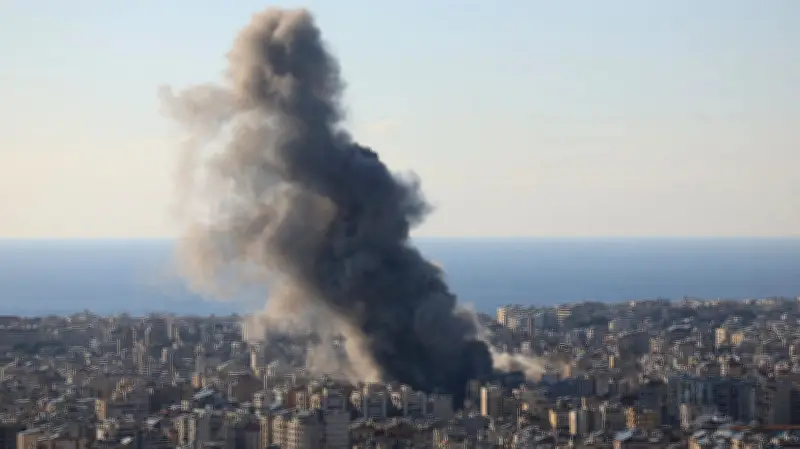
The Middle East war has reached its 100th day, with Iran retaliating against the United States and Israel for fresh strikes in Beirut on Sunday. This further dampens hopes for a lasting peace in the region. Efforts to turn a ceasefire into a permanent settlement have repeatedly stalled, while the conflict continues to rattle global markets and increase domestic pressure on US President Donald Trump ahead of midterm elections.
Iran's Retaliation and Ceasefire Violations
Tehran has repeatedly insisted that any deal to permanently end the war must also halt the parallel conflict in Lebanon, where Israel is pursuing a campaign against the Iran-backed Hezbollah movement. On Sunday, Israel stated that Iran launched missiles at it for the first time since a fragile ceasefire took effect in April. The strikes came after an Israeli air raid on Beirut's southern suburbs killed two people and injured 20 others.
US Involvement and Regional Tensions
Iran accused the United States of violating the ceasefire after the US military shot down six Iranian one-way attack drones headed toward the Strait of Hormuz on Saturday. Seven ballistic missiles fired at Kuwait and Bahrain early Saturday were largely intercepted. In response, the US launched strikes on Iranian coastal surveillance radar sites in Goruk and on Qeshm Island.
The ongoing hostilities underscore the fragility of the current ceasefire and the challenges in achieving a sustainable peace. The war has not only affected the involved nations but also had significant global economic and political repercussions.




