
Nigeria Fails to Secure Top 10 Position in Africa's Passport Power Rankings
In a recent assessment of global travel documents, Nigeria's passport has been notably absent from the list of the top 10 most powerful passports in Africa. This finding emerges from the latest edition of the Henley Passport Index, a widely recognized authority that evaluates the strength of passports based on the number of destinations their holders can access without a prior visa.
Understanding the Passport Power Gap
The ranking reveals that Nigerian passport holders currently enjoy visa-free or visa-on-arrival access to a limited number of countries compared to their counterparts from other African nations. While specific figures from the index indicate that Nigeria's passport offers access to fewer than 60 destinations globally, several African countries have surpassed this threshold, securing higher positions in the continental hierarchy.
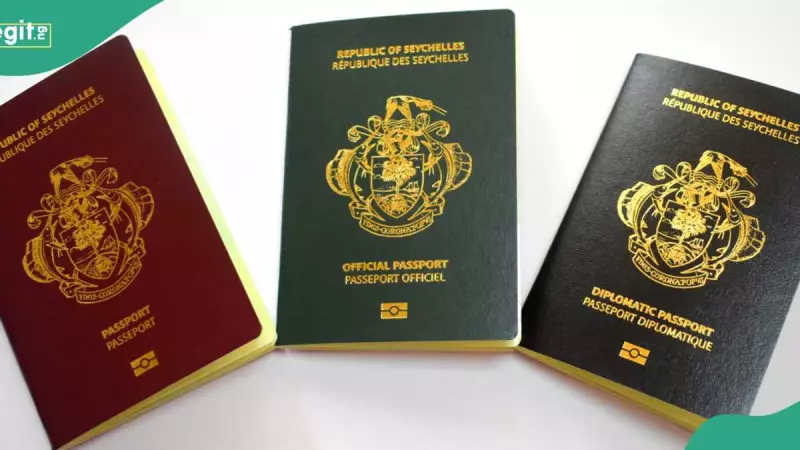
Key African leaders in passport power include Seychelles, Mauritius, and South Africa, which consistently rank at the top due to their extensive visa-free agreements. These nations provide their citizens with greater mobility for tourism, business, and education purposes, underscoring a disparity in international travel freedom across the continent.
Implications for Nigerian Travelers and the Economy
This ranking has significant implications for Nigerian travelers, who often face additional hurdles such as visa application processes, costs, and waiting times when planning international trips. The limited passport power can also impact Nigeria's economic and diplomatic engagements, as it may hinder seamless cross-border interactions for professionals, students, and entrepreneurs.
Factors contributing to Nigeria's position include:
- Bilateral agreements and diplomatic relations with other countries
- Security and immigration policies that affect visa reciprocity
- Global perceptions and travel advisories related to Nigeria
Experts suggest that improving passport power requires concerted efforts in areas such as enhancing national security, fostering stronger international partnerships, and advocating for more favorable visa policies. As global mobility becomes increasingly important in a connected world, this ranking serves as a call to action for stakeholders to address the challenges limiting Nigerian passport strength.




