
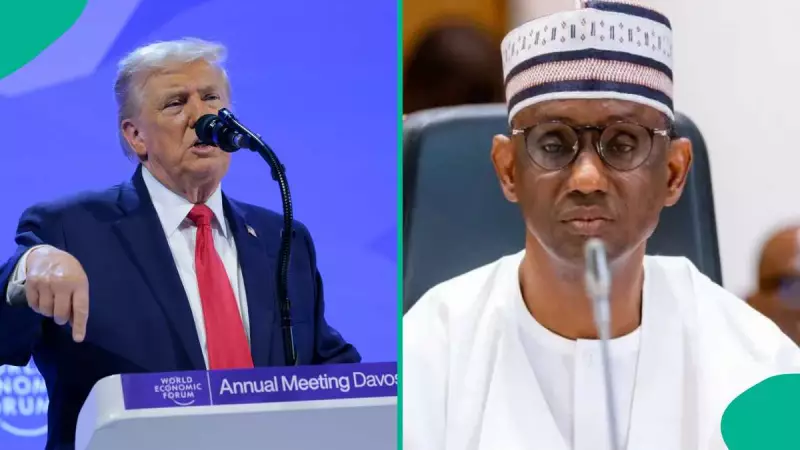
Nigeria and United States Forge Stronger Ties Through Joint Working Group Session
The United States and Nigeria have taken a significant step forward in their bilateral relationship with the inaugural meeting of the US-Nigeria Joint Working Group held in Abuja on Thursday, January 22, 2026. This high-level diplomatic engagement comes at a crucial time as both nations seek to address pressing security challenges while reaffirming their commitment to fundamental human rights.
Background and Context of the Meeting
The establishment of this Joint Working Group follows Nigeria's recent designation as a Country of Particular Concern by US President Donald J. Trump under the International Religious Freedom Act. This designation has prompted both governments to create a formal mechanism for addressing concerns about religious freedom violations and security threats facing vulnerable populations across Nigeria.
The Nigerian delegation was led by National Security Adviser Mallam Nuhu Ribadu and included representatives from ten different ministries and agencies, demonstrating the comprehensive approach being taken. The United States delegation, comprising officials from eight federal agencies, was headed by Under Secretary of State Ms. Allison H., highlighting the importance both nations place on this collaborative effort.
Key Focus Areas and Agreements
During the extensive discussions, both delegations emphasized several critical areas of cooperation:
- Religious Freedom Protection: The Working Group aims specifically to reduce violence against vulnerable populations, with particular attention to Christian communities who have faced significant threats from various armed groups.
- Security Enhancement: Both governments agreed to strengthen counterterrorism cooperation through enhanced operational collaboration, improved access to technology, and capacity building for law enforcement agencies.
- Constitutional Alignment: All actions will be taken in accordance with Nigeria's Constitution, ensuring that freedom of expression, peaceful assembly, and religious belief are protected for all citizens regardless of faith.
The US delegation welcomed Nigeria's briefing on the realignment of security resources, particularly in the North Central states where insecurity has been most pronounced. This indicates a practical approach to addressing immediate security concerns while building long-term resilience.
Strategic Importance and Future Plans
This meeting represents more than just a diplomatic formality—it signifies a deepening of the strategic partnership between Nigeria and the United States. Both sides reaffirmed their long-standing relationship, which they described as being anchored on shared values of pluralism, respect for the rule of law, and national sovereignty.
The Working Group has agreed that its next meeting will be held in the United States at a mutually agreed date, to be arranged through diplomatic channels. This demonstrates the ongoing nature of this collaboration and the commitment from both nations to maintain regular, high-level engagement on these critical issues.
Broader Implications for Nigeria-US Relations
The establishment of this Joint Working Group comes amid broader discussions about security cooperation between Nigeria and the United States. Recent visits by US lawmakers to Nigeria in December 2025, following President Trump's warnings about religious persecution, indicate that religious freedom and security concerns have become central elements of the bilateral relationship.
Both governments have emphasized that their cooperation extends beyond immediate security concerns to include measures against money laundering, countering terrorism financing, and building investigative capacity. This comprehensive approach suggests a recognition that security and religious freedom are interconnected issues requiring multifaceted solutions.
The successful conclusion of this inaugural meeting sets a positive precedent for future cooperation between Nigeria and the United States, potentially serving as a model for how nations can collaborate effectively on complex security and human rights challenges.




