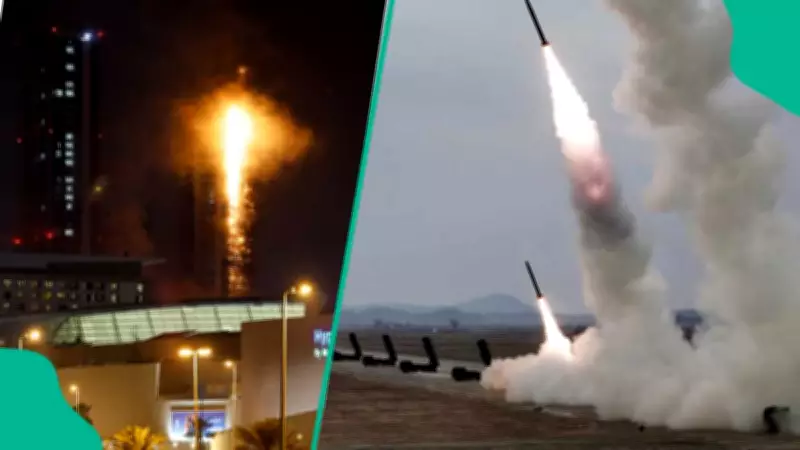
Nigerians Among Casualties in Iran's Missile Assault on United Arab Emirates
Multiple ballistic missiles and drones launched from Iran have struck the United Arab Emirates, resulting in significant casualties that include Nigerian nationals. The attack, which occurred on March 14, has intensified fears among the thousands of Nigerians residing and working in the Gulf nation, as regional hostilities continue to escalate.
UAE Air Defence Intercepts Missiles and Drones
The UAE Ministry of Defence confirmed that its advanced air defence systems successfully engaged and intercepted nine ballistic missiles and thirty-three unmanned aerial vehicles (UAVs) during the assault. This incident represents a major escalation in the ongoing tensions between Iran and allied nations in the Middle East.
According to official statements released on the ministry's social media platform, the attacks resulted in six fatalities and left 141 individuals injured. The casualties included both Emirati citizens and foreign nationals from several countries, with specific mention of Pakistan, Nepal, Bangladesh, and Nigeria.
The ministry further disclosed that since the beginning of what it termed "blatant Iranian aggression," UAE defence systems have engaged:
- 294 ballistic missiles
- 15 cruise missiles
- 1,600 unmanned aerial vehicles
Nigerian Residents Express Concern and Confidence
Nigerians living in the UAE have shared mixed reactions to the escalating situation. Adeyinka Sodiq, a Nigerian resident contacted for comment, expressed cautious optimism about safety while acknowledging the tense circumstances.
"Alhamdulillah, for now, I am safe. We are also keeping our heads. May Allah continue to protect us all," Sodiq stated, reflecting the anxiety many foreign residents feel amid increased military activity in the region.
Another Nigerian resident, Remi Susan, addressed the unusual aerial activity noticed by many residents, explaining that the sounds heard in the skies represented defensive measures rather than direct threats.
"Yes, there has been a lot of noise in the sky, even from my house. I saw like some missile or drone or whatever. But they have been intercepted. I trust the government," Susan remarked, expressing confidence in the UAE's security infrastructure.
Broader Regional Implications
The missile attacks occur within the context of escalating hostilities between Iran and a coalition of nations including the United States and Israel. The conflict stems from longstanding disagreements over Iran's nuclear enrichment program, with retaliatory strikes now targeting countries perceived as US allies in the Gulf region.
The situation has created ripple effects beyond the immediate conflict zone:
- Disruption of pilgrimages and travel plans for Nigerians
- Increased volatility in global oil markets
- Heightened anxiety among Nigerians living abroad
- Protests in solidarity with Iran by some members of Nigeria's Islamic Movement
Reports indicate that Iran's Supreme Leader Ayatollah Ali Khamenei, along with family members and hundreds of citizens, have perished in the broader conflict. Meanwhile, US President Donald Trump has reportedly ruled out diplomatic negotiations with Iran unless the nation agrees to "unconditional surrender," further complicating prospects for de-escalation.
The situation continues to develop as regional powers navigate this dangerous escalation in Middle East tensions, with Nigerian nationals among those directly affected by the violence.