
Political Patronage Versus Career Diplomats: Nigeria's Ambassadorial Appointments Undermine Global Standing
The success of a nation's foreign policy hinges critically on the quality, expertise, and professionalism of its diplomatic representatives. Career diplomats dedicate decades to specialized training, mastering negotiation, international law, and diplomatic protocol to effectively advocate for their country abroad. However, Nigeria's ambassadorial appointment system has come under intense criticism for eroding this professional framework, leading scholars to describe the foreign policy as ideologically inconsistent, operationally barren, and philosophically vague.
Blurring Strategic Alliances for Political Gratification
Observers note that since the emergence of the Fourth Republic, strategic alliances and economic diplomacy have often been sidelined in favor of political and psychological gratification. The recent round of ambassadorial appointments heavily tilts toward non-career diplomats, with the principle of Federal Character—equitable state representation—only superficially observed. Notably, political appointees are frequently assigned to strategic countries, while career diplomats are relegated to less significant missions.
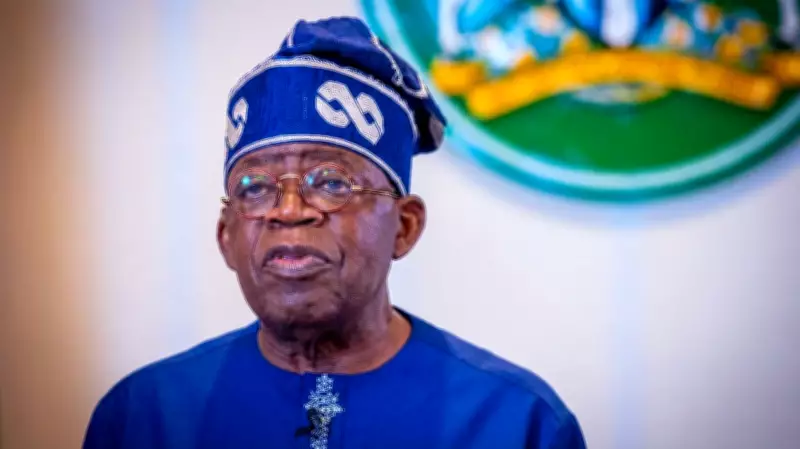
This trend is starkly reflected in the Bola Tinubu administration's recent release of ambassadorial postings, which include 31 career and 34 non-career ambassadors dispatched to various nations and the United Nations. International relations experts argue that such practices not only deprive experienced diplomats of opportunities to lead key missions but also risk weakening Nigeria's diplomatic engagement with vital global partners. Analysts warn that when appointments prioritize political loyalty over merit, the country's diplomatic effectiveness and international standing inevitably suffer.
Prolonged Delays and Administrative Challenges
The journey to releasing these names and postings was protracted and fraught with challenges. After assuming office on May 29, 2023, the Tinubu administration initiated a review of Nigeria's foreign policy and diplomatic representation. As part of this restructuring, the president recalled all Nigerian ambassadors, both career and non-career, from foreign missions in September 2023, barely four months into his tenure. This recall affected over 80 envoys serving in more than a hundred diplomatic missions worldwide.
The decision aimed to reassess diplomatic priorities and align ambassadorial appointments with the administration's foreign policy framework, centered on the 4Ds: democracy, development, demography, and diaspora. Following the recall, Nigeria's missions abroad were left without substantive ambassadors, managed instead by chargés d'affaires and consuls-general. These officials could handle administrative and routine diplomatic activities but lacked the authority for high-level negotiations or representation at the highest political levels.
Throughout 2024, the government did not immediately replace the recalled envoys. The Ministry of Foreign Affairs, under Foreign Minister Yusuf Tuggar, worked on compiling and submitting a list of potential nominees to the presidency. Delays were attributed to financial constraints affecting foreign missions and the need to balance political and regional interests in the nomination process. By early 2025, nearly 18 months after the recall, the federal government began vetting and conducting background checks on potential ambassadorial nominees.
The next significant step occurred in November 2025, when the president finally forwarded the first batch of ambassadorial nominees to the Nigerian Senate for confirmation. The list reportedly included dozens of nominees for key bilateral missions such as the United States, United Kingdom, France, China, and India, as well as multilateral institutions like the United Nations and African Union. Following Senate confirmation, nominees were expected to undergo additional diplomatic procedures, including training, mandatory retreats, and the request for agreement—formal approval from host countries required before an ambassador can assume duty.
Expert Criticisms and Calls for Reform
Commenting on the situation, Babafemi Badejo, a diplomat and Professor of International Relations, expressed disappointment that the president does not seem to prioritize foreign relations or prefers opaque personal diplomacy despite lacking the experience and expertise. He noted, Little surprise that ambassadors are being appointed in the dying days of the PBAT administration. And little wonder some countries are reported to be rejecting some of the nominees. Badejo emphasized that while Nigeria accepts a mix of political and career appointees, the emphasis should be on quality, citing Prof. Ibrahim Gambari's successful tenure at the UN as an example of competent professional appointment.
Similarly, Auwal Ibrahim Musa (Rafsanjani), Executive Director of CISLAC/TI-Nigeria, stated that strategic postings should prioritize countries with strong trade potential, security cooperation, diaspora presence, and geopolitical influence. He argued, Overrepresentation in less strategic locations may reflect administrative convenience rather than clear national interest. Musa warned that concentrating career diplomats in non-strategic countries dilutes the impact of Nigeria's foreign policy and reflects administrative political considerations over a coherent strategy.
Patrick Oromareghake, a Professor of International Relations at Taraba State University, highlighted that Nigeria's foreign policy is often dependent and not proactive, failing to achieve specific national objectives. He criticized posting non-career diplomats as outside the tenets of diplomacy, stating, When you put a square peg in a round hole, you will not be able to achieve the objectives. Oromareghake also lamented the delays in appointments, noting that governments should plan foreign relationships from the outset.
Professor Remi Aiyede acknowledged that some political appointees may possess strong backgrounds enabling effective performance, such as Senator Jimoh Ibrahim or the ambassador to Canada, a former vice-chancellor and minister of health. However, he raised concerns about recurring names of individuals in their late 70s or early 80s, questioning why Nigeria fields older generations when younger, experienced professionals are available. Aiyede also addressed issues of credibility and integrity, noting that some nominees previously criticized the government but later accepted appointments, potentially undermining public trust.
He further commented on the rejection of an ambassador by a receiving country, attributing it to the prolonged decision-making process. Aiyede stated, The government should have done better by appointing them early when the vacancies were there so that we have representation. He linked delays to broader problems, such as Nigeria's challenges in the genocide debate and its bid for a permanent UN seat, emphasizing the need for timely and strategic appointments to enhance international engagement.
In summary, Nigeria's ambassadorial appointments underscore a tension between political patronage and professional diplomacy, with experts calling for a balanced approach that prioritizes merit, strategic alignment, and timely action to bolster the country's global standing.




