
European Nations Escalate Civil Preparedness Amid Security Concerns
Norwegian authorities have taken a significant step in national defense preparedness by issuing thousands of formal notices to citizens regarding the potential seizure of private property in the event of a Russian invasion. This development comes as security tensions continue to escalate across Europe, with multiple nations implementing measures to prepare civilian populations for potential conflict scenarios.
Norway's Preparatory Requisition Notices
According to official statements, approximately 13,500 "preparatory requisitions" were distributed to Norwegian citizens on Monday, warning that homes, vehicles, boats, and machinery could be requisitioned "in a wartime situation" to support national defense efforts. Oslo officials emphasized that these measures are designed to ensure military access to necessary resources during emergencies.
"The requisitions are intended to ensure that, in a wartime situation, the armed forces have access to the resources necessary for the defence of the country," stated Norwegian authorities. Approximately two-thirds of recipients were renewing previous notices, indicating this is part of an ongoing preparedness strategy.
Heightened Security Posture
Anders Jernberg, head of Norwegian military logistics, provided context for these measures: "The importance of being prepared for crisis and war has increased dramatically in recent years. Norway is in the most serious security policy situation since the Second World War."
He further warned: "Our society must be prepared for security policy crises and, in the worst case, war... we are undertaking a major build-up of military and civil preparedness." Norway, a NATO member sharing both maritime and land borders with Russia in the Arctic region, has significantly intensified its defense posture since Moscow's invasion of Ukraine.
Poland's Comprehensive Safety Initiative
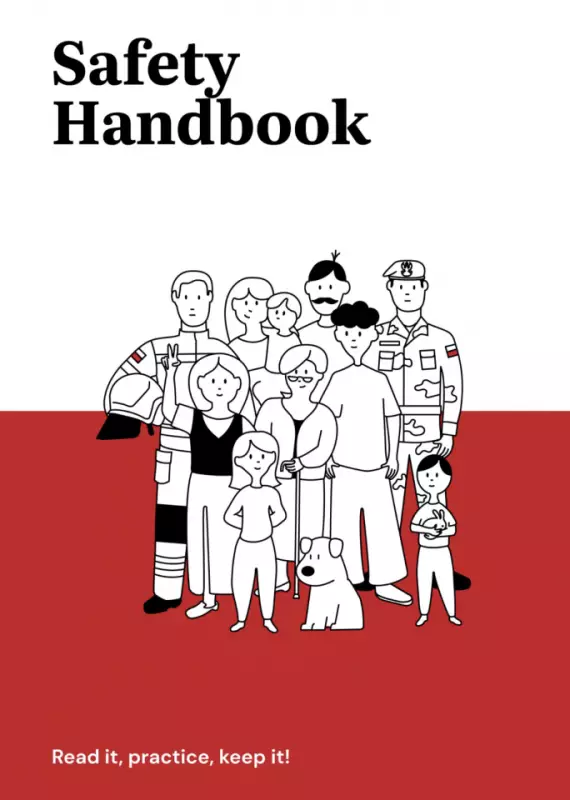
In a parallel development, Poland has implemented a nationwide preparedness program by distributing printed World War III "Safety Guides" to all 17 million households across the country. These comprehensive manuals provide detailed instructions for responding to various emergencies, including:
- Fires and natural disasters
- Terrorist attacks
- Nuclear or chemical weapon incidents
- Cyberattacks and disinformation campaigns
- Military conflicts and infrastructural crises
Prime Minister Donald Tusk announced on social media platform X: "We have already delivered over 4 million 'Safety Guides.' The 'Safety Guide' complements the activities carried out under the Population Protection and Civil Defense Program and, step by step, reaches every household, directly into the hands of citizens."
Growing Regional Threats
The Polish safety guide explicitly addresses the changing security landscape: "The threats Poland faces have substantially grown in the last few years. Disinformation, cyberattacks, hybrid threats, hostile disruption and sabotage are used to destabilise the country." It further notes the psychological impact of regional conflicts: "The war beyond our eastern border impacts our sense of safety as well."
Broader European Context
These preparedness measures reflect a broader trend across Europe, where multiple nations are enhancing civilian and military readiness. France previously distributed similar safety booklets to its population, while several European countries, including France and Germany, have reintroduced various forms of military conscription in response to growing concerns about Russia's strategic intentions.
The Arctic region has become a particular focus of geopolitical tensions. Former U.S. president Donald Trump previously warned about Russian and Chinese expansion in the Arctic, suggesting such threats justified Washington considering control of Greenland. Russian foreign minister Sergei Lavrov has countered by accusing the United States of territorial ambitions in the region, specifically mentioning Greenland and Iceland as potential targets.
"Greenland is not a natural part of Denmark," Lavrov stated, adding: "It was neither a natural part of Norway nor a natural part of Denmark. It is a colonial conquest. The fact that the inhabitants are now accustomed to it and feel comfortable is another matter."
These developments underscore how European nations are transitioning from theoretical security discussions to practical preparedness measures, with Norway focusing on resource mobilization and Poland emphasizing civilian education and response protocols. Both approaches reflect the complex security challenges facing NATO members and European Union nations as they navigate an increasingly volatile international landscape.




