
Russia Denies Sending Attack Drones to Iran Amid U.S.-Israeli Airstrikes
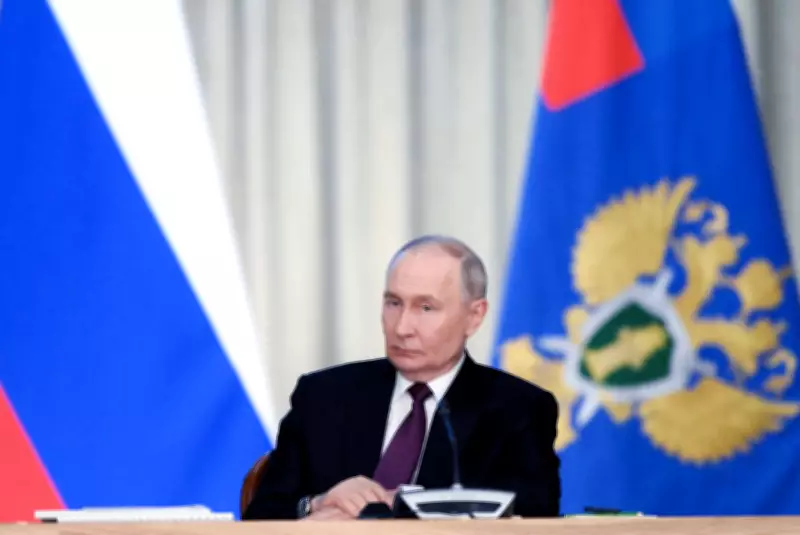
The Kremlin has issued a strong denial regarding reports that it is shipping thousands of attack drones to Iran to help defend against ongoing U.S.-Israeli airstrikes. On Thursday, March 26, Kremlin spokesman Dmitry Peskov addressed the media during a daily briefing, dismissing the allegations as baseless and urging the public not to pay attention to what he described as fake leaks being spread by the media.
Details of the Alleged Shipments
According to a report by The Financial Times, which cited Western intelligence officials, Russia was in the process of sending attack drones, along with food and medicine, to Iran. The report indicated that discussions between Russian and Iranian officials about these shipments began shortly after the United States and Israel launched their war in February. The shipments are allegedly scheduled to arrive in Iran by the end of this month.
This is not the first time such claims have surfaced. Earlier this month, The Washington Post reported that Moscow had passed sensitive intelligence to Tehran, including the locations of U.S. warships and aircraft in the region. These reports have fueled speculation about the depth of military cooperation between Russia and Iran.
Russia's Stance on the Conflict
Russia is one of Iran's closest partners and has condemned the U.S.-Israeli war as an "unprovoked act of armed aggression." However, the Kremlin has consistently denied providing any military equipment or supplies to Tehran. Peskov emphasized this point in his briefing, stating that the reports are part of a pattern of misinformation aimed at undermining Russia's position.
The denial comes amid heightened tensions in the region, with ongoing airstrikes by the U.S. and Israel targeting Iranian assets. The situation has drawn international attention, with many countries monitoring the developments closely.
Implications for Regional Security
The alleged shipments, if true, could significantly impact the balance of power in the region. Attack drones are a key component of modern warfare, and their transfer to Iran could enhance Tehran's defensive capabilities against U.S.-Israeli operations. However, Russia's denial adds a layer of complexity to the situation, raising questions about the accuracy of intelligence reports and the potential for escalation.
As the conflict continues, the international community remains watchful of any moves that could further destabilize the region. The Kremlin's firm denial may be an attempt to distance itself from direct involvement, but the ongoing reports suggest that the issue is far from resolved.




