
In a significant diplomatic development, Russia has confirmed its participation in trilateral peace talks with the United States and Ukraine for the first time. The meeting is scheduled to take place today in Abu Dhabi, marking a new phase in efforts to resolve the ongoing conflict.
Background and Preparatory Discussions
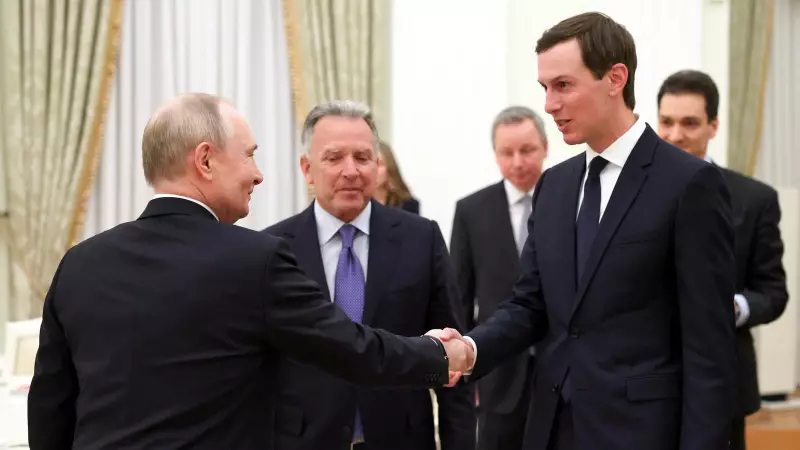
This move follows recent high-level engagements, including talks between US President Donald Trump and Ukrainian President Volodymyr Zelenskyy in Davos, as well as a separate meeting between an American delegation and Russian President Vladimir Putin in Moscow. The Kremlin announced Russia's involvement after Putin held extensive discussions lasting four hours on Thursday night with Trump's peace envoy, Steve Witkoff, and the president's son-in-law, Jared Kushner.
Russian officials characterized these preliminary talks as exceptionally substantive, constructive, and extremely frank and trusting. However, they tempered expectations by cautioning that a breakthrough is not guaranteed, highlighting the complex nature of the negotiations.
Key Positions and Territorial Stances
Moscow reiterated its long-standing position that a lasting settlement is impossible without resolving territorial issues. This references understandings discussed at last year's Trump-Putin summit in Alaska. Russia emphasized it would continue military operations until a diplomatic agreement is reached, underscoring the urgency of the talks.
President Zelenskyy indicated that the trilateral meeting was a last-minute initiative from Washington, arranged only after his meeting with Trump in Davos on Thursday. This suggests a fluid and dynamic diplomatic landscape as parties scramble to find common ground.
Delegation Composition
Kyiv will be represented by its lead negotiator, Rustem Umerov, and Zelenskyy's chief of staff, Kyrylo Budanov. Moscow, meanwhile, has appointed Admiral Igor Kostyukov to head the Russian delegation at the UAE-based security talks. The choice of military and security officials highlights the strategic importance of the discussions.
Historical Context and Previous Proposals
Although no deal was reached when Trump and Putin met in Alaska in August, the leaders are believed to have discussed the possibility of Ukraine relinquishing territory in exchange for an end to the fighting. Putin reportedly told the US president that Russia wants the eastern Donetsk and Luhansk regions, including areas not currently under Russian control.
Zelenskyy has previously stated that Moscow seeks control of the rest of Donetsk, effectively the entire eastern Donbas region, as part of a ceasefire proposal. He asserted that Ukraine would reject such terms, warning they would strip the country of its crucial defensive fortress belt and leave it vulnerable to further Russian offensives.
European Reactions and Support
The agreement on trilateral talks comes after Zelenskyy publicly expressed frustration with Europe's response to the war during a forceful speech in Davos. He accused European leaders of inaction and warned the continent against repeating the same mistakes.
Just last year here in Davos, I ended my speech with the words 'Europe needs to know how to defend itself' — a year has passed and nothing has changed, Zelenskyy remarked, highlighting his disappointment.
European Commission President Ursula von der Leyen later pushed back, stating that Europe's support for Ukraine has been substantial and consistent. She noted that the European Union has committed more than €193 billion over the past four years, with an additional €90 billion approved for the next two years.
Current Dynamics and Future Prospects
Zelenskyy's remarks followed what he described as a positive meeting with Trump, during which he said a peace plan was nearly ready. However, both Kyiv and Moscow remain focused on territorial disagreements and persuading Washington to support their respective red lines, indicating that the path to peace is fraught with challenges.
As Zelenskyy left the Davos forum, he announced that Ukraine had secured agreements on a new air defence package and claimed Russian forces were suffering losses of about 45,000 troops each month. These developments add pressure to the negotiations, as military realities on the ground could influence diplomatic outcomes.
The historic trilateral talks in Abu Dhabi represent a critical juncture in the conflict, with all parties seeking to navigate complex geopolitical interests and territorial claims. The world watches closely as these discussions unfold, hoping for a breakthrough that could pave the way for lasting peace.




