
South Africa Disconnects Electricity Supply to Nigerian High Commission Over Unpaid Utility Debts
In a significant diplomatic development, South African authorities have taken the drastic step of disconnecting the power supply to the Nigerian High Commission located in Pretoria. This action was initiated due to outstanding debts accumulated for utility services provided by the city of Tshwane.
Official Confirmation from Tshwane Executive Mayor
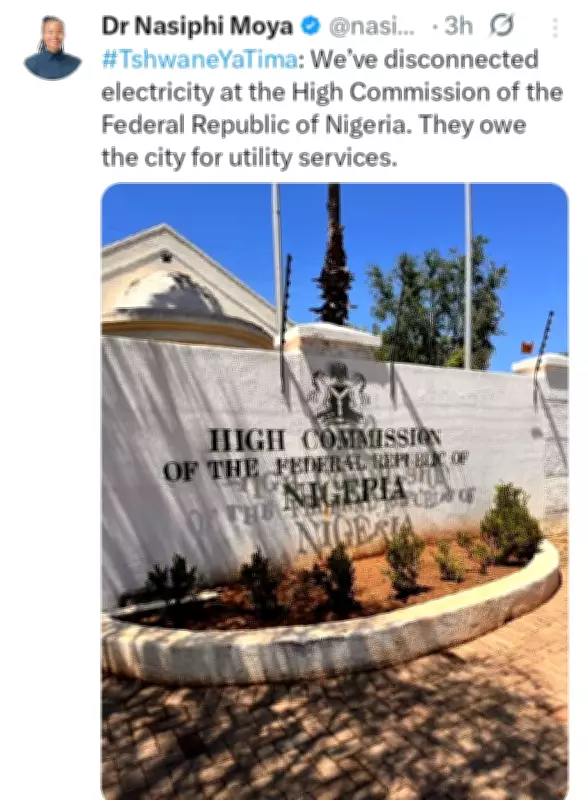
The executive mayor of the city of Tshwane, Dr. Nasiphi Moya, publicly disclosed this information through her official X account on Monday, February 2, 2026. In her statement, Dr. Moya explicitly stated, "We've disconnected electricity at the High Commission of the Federal Republic of Nigeria. They owe the city for utility services." This announcement highlights the severity of the financial dispute between the Nigerian diplomatic mission and the local municipal authorities.
Implications for Diplomatic Relations and Utility Management
This electricity disconnection raises important questions about the management of utility payments by diplomatic missions operating abroad. The Nigerian High Commission, as a key diplomatic representation of Nigeria in South Africa, is expected to maintain good standing with local service providers. The incident underscores the potential strains that financial obligations can place on international relations, even between nations with historically strong ties.
Utility service debts accumulating to the point of disconnection suggest either administrative oversights within the High Commission's operations or possible budgetary constraints affecting Nigeria's foreign missions. Such situations can impact the daily functioning of diplomatic offices, potentially hindering consular services and administrative activities that rely on consistent power supply.
Broader Context of Nigeria-South Africa Relations
While this specific incident focuses on utility payments, it occurs within the broader framework of Nigeria-South Africa relations, which have experienced both cooperation and occasional tensions over various issues. The public nature of the disconnection announcement by a municipal official adds a layer of transparency but also potential embarrassment for the Nigerian diplomatic corps.
Resolving this matter promptly will be crucial for both parties to prevent further escalation and maintain the professional decorum expected between diplomatic entities and host countries. The situation serves as a reminder to all foreign missions about the importance of timely settlement of local financial obligations to avoid similar disruptions.




