US Senate Rejects Legislation to Curb Presidential War Powers in Iran Conflict
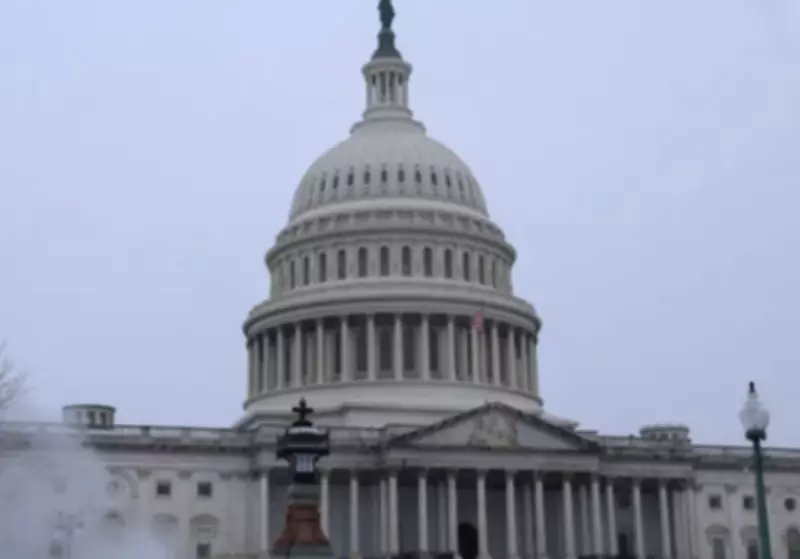
In a significant legislative move, the United States Senate has voted down a resolution designed to limit President Donald Trump's executive authority to wage war against Iran without explicit congressional consent. The vote, which failed with a tally of 47-53, marks the first formal congressional action directly addressing the escalating military engagement in the Middle East since hostilities commenced.
Details of the Failed War Powers Resolution
The defeated measure, known as a war powers resolution, sought to impose restrictions on the president's ability to authorize additional offensive operations against Iranian forces without securing approval from Congress. This legislative effort emerged amid growing concerns over the administration's handling of the conflict and the potential for prolonged military involvement without clear oversight.
Defense Secretary Pete Hegseth contributed to the tense atmosphere surrounding the vote by announcing on Wednesday that the war's duration could extend by up to eight weeks beyond initial projections. Speaking at a Pentagon briefing, Hegseth emphasized the United States' commitment to deploying extensive air defense capabilities to safeguard American troops and allied nations in the region.
"We have spared no expense in enhancing our defensive systems to protect our forces and partners," Hegseth stated. "While we cannot guarantee interception of every Iranian attack, we have established maximum possible defense protocols before initiating offensive actions."
Escalating Military Actions and Regional Impact
Military engagements have intensified, with aerial assaults continuing for a sixth consecutive day. Early Thursday, Iran launched missile strikes targeting Israel, retaliating against a US submarine attack that sank an Iranian warship in international waters near Sri Lanka. Concurrently, the Israeli military initiated new strikes against Hezbollah positions in the suburbs of Beirut, Lebanon, triggering air raid sirens across Tel Aviv and Jerusalem.
The conflict originated with a surprise joint offensive by the United States and Israel against Iran last Saturday, with hostilities escalating further by Wednesday. Iran has responded by conducting strikes across Gulf states, including reported attacks on Kuwait and Bahrain, as regional nations brace for potential escalation following Tehran's threats to destroy military and economic infrastructure throughout the area.
Humanitarian and Economic Consequences
The ongoing warfare has resulted in substantial human casualties, with authorities reporting over 1,000 fatalities in Iran, more than 70 in Lebanon, and approximately a dozen in Israel since the conflict's inception. Beyond the tragic loss of life, the fighting has disrupted global energy markets and international trade, causing significant oil and gas supply interruptions, widespread airspace closures, flight cancellations, and severe travel disruptions across the Middle East.
President Trump has publicly praised US military performance, describing forces as "doing very well on the war front." However, the absence of a definitive exit strategy has amplified concerns among many American citizens, who remain apprehensive about deepening involvement in another protracted Middle Eastern conflict.