
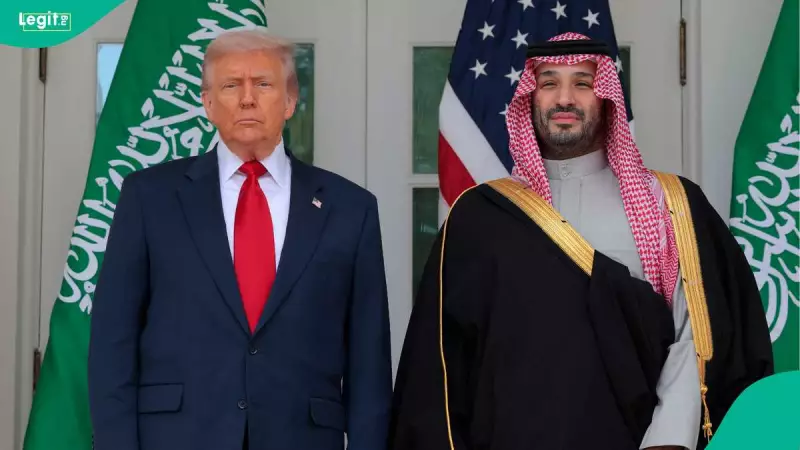
Seven Nations Confirm Participation in Trump's Board of Peace Initiative
In a significant diplomatic development, seven nations have officially announced their participation in former US President Donald Trump's newly established Board of Peace. The countries, including Saudi Arabia, Turkey, and Egypt, confirmed their involvement through a joint statement released on January 21, 2026. This move comes as global leaders engage in heated debates regarding the board's potential role in facilitating a lasting ceasefire in Gaza and supporting reconstruction efforts in the conflict-ravaged territory.
Expanding Membership and Mixed International Reactions
The participating Muslim-majority nations, which also include Jordan, Indonesia, Pakistan, and Qatar, have expressed their collective support for what they describe as the board's primary objectives: consolidating a permanent ceasefire in Gaza, backing comprehensive reconstruction initiatives, and advancing a just and lasting peace in the region. Their decision to join Israel, which had previously confirmed its participation, adds substantial momentum to Trump's diplomatic initiative.
However, the board's formation has elicited diverse reactions from the international community. While several countries and the Vatican continue to consider participation, Slovenia has taken a firm stance against involvement. Prime Minister Robert Golob explicitly rejected the invitation, warning that the body could dangerously interfere with the broader international order and potentially disrupt established diplomatic frameworks.
Global Responses and Membership Details
The board's membership continues to evolve, with Trump announcing at the World Economic Forum in Switzerland that Russian President Vladimir Putin had accepted an invitation to join. He was invited, he's accepted. Many people have accepted, Trump told reporters. However, Putin later clarified that Russia's participation remained under consideration, though he expressed willingness to contribute $1 billion from frozen Russian assets toward the initiative.
Other nations that have already signed up include the United Arab Emirates, Bahrain, Albania, Armenia, Azerbaijan, Belarus, Hungary, Kazakhstan, Morocco, and Vietnam. Meanwhile, Canada and the United Kingdom have yet to publicly respond to their invitations. The Vatican confirmed that Pope Leo received an invitation, with Cardinal Pietro Parolin stating the pontiff would require time to deliberate on potential participation.
Executive Board Composition and Israeli Concerns
The White House has announced seven founding members of the board's Executive Board, featuring prominent figures such as US Secretary of State Marco Rubio, Middle East envoy Steve Witkoff, Trump's son-in-law Jared Kushner, and former UK Prime Minister Tony Blair. Former UN Middle East envoy Nickolay Mladenov has been appointed as the board's representative in Gaza for the second phase of the plan, which focuses on reconstruction and demilitarization authorized by a UN Security Council resolution extending through 2027.
Despite these developments, Israel has expressed reservations about certain aspects of the board's structure. The office of Prime Minister Benjamin Netanyahu stated that the composition of the Gaza Executive Board was not coordinated with Israel and runs contrary to its policy. Israeli media reports indicate particular concern over the inclusion of representatives from Turkey and Qatar, nations that helped broker the October ceasefire alongside Egypt and the United States, suggesting these decisions were made over Israel's head.
Peace Plan Challenges and Ceasefire Implementation
The board's peace plan unfolds in two distinct phases. Phase one has seen Hamas and Israel agree to a ceasefire arrangement involving the exchange of Israeli hostages in Gaza for Palestinian prisoners in Israeli jails, partial Israeli withdrawal from certain areas, and increased humanitarian aid deliveries to the Palestinian population. However, Israel maintains that it can only transition to phase two once Hamas surrenders the body of the last deceased hostage.
Phase two faces substantial obstacles, with Hamas refusing to disarm without guarantees for an independent Palestinian state, and Israel not committing to a complete withdrawal from Gaza. These conflicting positions highlight the fragile nature of the current ceasefire and the complex challenges facing reconstruction efforts. As humanitarian aid gradually increases in the region, global leaders continue to debate the board's capacity to navigate these diplomatic hurdles and deliver sustainable peace.




