
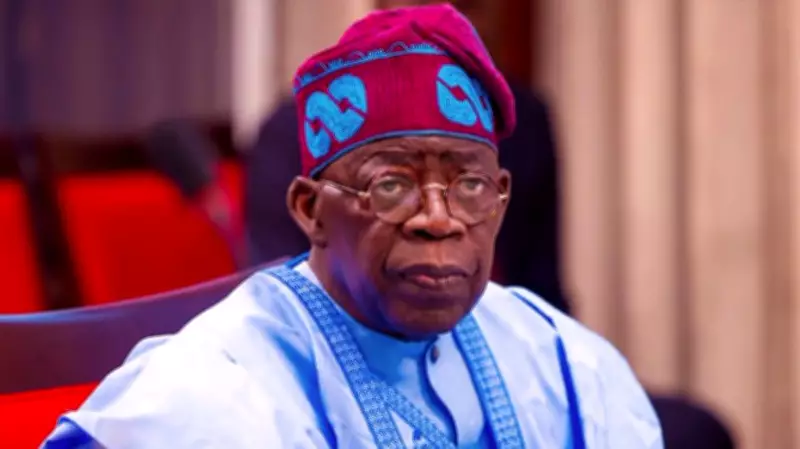
The State House has identified the resolution of the Ogoni crisis, the Malabu Oil (OPL 245) dispute, and the long-running MMA2 concession disagreement as some of the major achievements of President Bola Tinubu's administration in its first three years.
Dialogue and Reconciliation
Specifically, the Presidency on Monday said the Tinubu administration's emphasis on dialogue, reconciliation, and stakeholder engagement had helped resolve disputes that posed threats to national stability, investor confidence, and economic growth.
In a statement titled "Tinubu @ 3: Peace-Building, Conflict Resolution and National Development," the Director of Information and Public Relations at the State House, Abiodun Oladunjoye, said the administration had increasingly adopted negotiation and diplomacy in handling national disputes.
According to him, beyond key economic reforms such as fuel subsidy removal, foreign exchange harmonisation, the Nigerian Education Loan Fund (NELFUND), and the Compressed Natural Gas (CNG) initiative, the administration had also recorded significant gains in peace-building and conflict resolution.
Ogoni Crisis Resolution
Oladunjoye described the renewed engagement on the Ogoni crisis as a landmark achievement of the administration. The crisis, which began in the 1990s over environmental degradation and resource control concerns in Ogoniland, led to years of unrest and the suspension of oil exploration activities in the area.
He said the Tinubu administration reopened consultations through the Office of the National Security Adviser, bringing together community leaders, the Nigerian National Petroleum Company Limited, traditional institutions, and security agencies.
According to him, the consultations rebuilt trust among stakeholders and created a pathway for reconciliation and the planned resumption of oil exploration activities in Ogoniland. The statement noted that the submission of the report of the Presidential Committee on Ogoni Consultations, chaired by Professor Don Baridam on September 25, 2025, marked a turning point in the peace process. It added that President Tinubu personally hosted meetings with stakeholders at the Presidential Villa and honoured key figures killed during the crisis, including Ken Saro-Wiwa.
Malabu Oil (OPL 245) Dispute
The Presidency also highlighted the resolution of the Malabu Oil (OPL 245) dispute, describing it as one of Nigeria's most commercially strategic oil assets. According to the Attorney-General of the Federation and Minister of Justice, Lateef Fagbemi, the settlement ended years of legal and political uncertainty surrounding the oil block.
Oladunjoye said the resolution was expected to strengthen investor confidence and increase Nigeria's oil production output by about 150,000 barrels per day.
MMA2 Concession Settlement
The State House further listed the settlement of the over 20-year dispute between the Federal Government and Bi-Courtney Aviation Services Limited over the concession of the Murtala Muhammed Airport Terminal Two as another significant breakthrough.
According to the statement, the Minister of Aviation and Aerospace Development, Festus Keyamo, announced the resolution on April 30, 2026, following negotiations involving the ministry and relevant stakeholders. The Presidency said the agreement had eased tensions in the aviation sector and improved confidence in Nigeria's infrastructure concession framework.
Continued Dialogue
Oladunjoye added that the administration had also continued to deploy dialogue in addressing recurring violence in Plateau State and other parts of the country, noting that the government remained committed to inclusive governance and national reconciliation.
He said sustaining the gains recorded so far would require continued transparency, implementation of agreements, and active stakeholder engagement.




