The Strait of Hormuz: Iran's Asymmetric Warfare and Global Economic Shockwaves
In contemporary conflicts, triumph is not solely defined by military conquests or territorial gains. Often, the most profound victories are imperceptible, manifesting in soaring fuel costs, disrupted trade networks, and volatile financial systems. This principle underpins Iran's asymmetric warfare approach in its standoff with the United States and Israel. Recognizing its inability to match the conventional might of these adversaries, Iran has shifted the battleground from physical geography to the global economy, leveraging strategic pressure through proxies, technology, and control over critical chokepoints.
Geography as a Weapon: The Strait of Hormuz
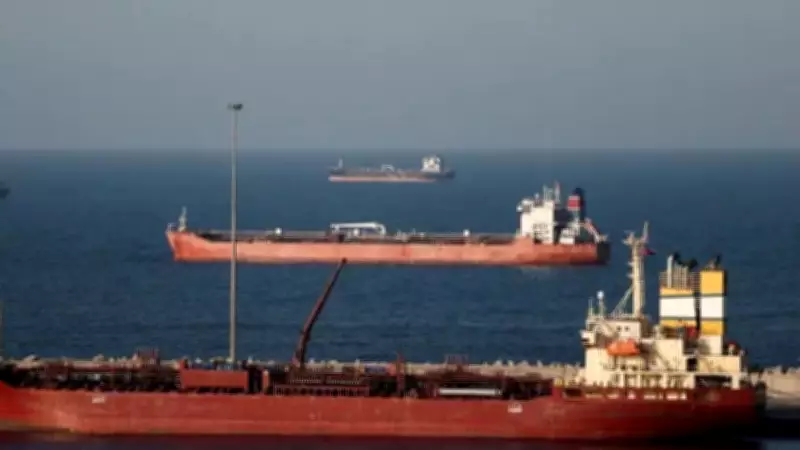
The Strait of Hormuz, a narrow maritime corridor, serves as a linchpin for global energy security, with nearly one-fifth of the world's oil transiting its waters daily. Tankers from major producers like Saudi Arabia, Kuwait, Iraq, Qatar, and the United Arab Emirates rely on this passage. When tensions escalate here, the repercussions are immediate and far-reaching. A single incident, such as a missile strike or drone attack on shipping, can trigger oil price spikes, skyrocketing insurance premiums, and market tremors, affecting consumers worldwide from China to Europe and Africa.
Iran's strategy does not aim to permanently blockade the strait, which would provoke severe retaliation. Instead, it cultivates uncertainty, using the mere threat of disruption as a weapon. This volatility ripples through the global economy, driving up energy costs, which in turn inflate prices for gas, fertilizer, food, and transportation. The interconnected nature of modern supply chains means that instability in energy markets can lead to manufacturing slowdowns, social unrest, and governmental struggles with inflation, bringing the conflict to households thousands of miles away.
Expanding the Battlefield: Proxies and Technology
Iran amplifies its strategic reach through a network of allied groups across the Middle East, including in Lebanon, Iraq, Syria, and Yemen. These proxies open multiple fronts simultaneously, forcing the US and Israel to disperse resources and attention. Drones have emerged as a key equalizer, offering a cost-effective means to challenge expensive defense systems. A drone costing a few thousand dollars can compel adversaries to deploy interceptors worth hundreds of thousands, inverting traditional warfare economics.
Cyber operations further blur the lines of conflict, targeting financial networks, oil infrastructure, and communication systems. The modern warfront extends into data servers, satellites, and power grids, creating a dangerous ambiguity between war and peace. Iran's ability to manipulate global economic anxiety is perhaps its most potent tool, as markets thrive on predictability, and volatility imposes heavy costs through rerouted shipments, increased insurance, and supply chain disruptions.
Global Implications and the Risk of Escalation
The effects of Iran's asymmetric warfare transcend the Middle East, impacting Europe's energy markets, Asia's manufacturing hubs, Africa's food security, and America's inflation rates. This conflict underscores that 21st-century battlefields encompass ports, pipelines, shipping lanes, and commodity markets, where economic shockwaves can cause more harm than traditional combat. Ironically, prolonged escalation benefits none of the major actors; a full closure of the Strait of Hormuz would devastate global energy supplies and economies, including Iran's own, while a regional war could trigger market panic and trade slowdowns.
History warns that conflicts can spiral beyond control due to miscalculation or retaliation, as seen in events like World War I. Today, with a more interconnected global economy, the stakes are higher. A missile launch in the Persian Gulf can alter food prices in Lagos, fertilizer costs in India, and transport expenses in Berlin. This asymmetric warfare represents a borderless conflict with unclear battle lines, where ordinary citizens may bear the brunt through economic hardship. As tensions between Iran, Israel, and the US intensify, the world faces a sobering reality: the next global economic crisis might originate not in financial centers, but in the strategic waters of the Strait of Hormuz, where geography, strategy, and power converge to threaten global stability.