
Tinubu's Historic UK State Visit Closes 37-Year Diplomatic Gap
President Bola Ahmed Tinubu is poised to make history as the first Nigerian leader in nearly four decades to undertake an official State Visit to the United Kingdom. This significant diplomatic event marks the revival of a tradition that has been dormant since 1989, when former military head of state General Ibrahim Babangida last made such a formal visit.
The Last State Visit: Babangida's 1989 Diplomatic Mission
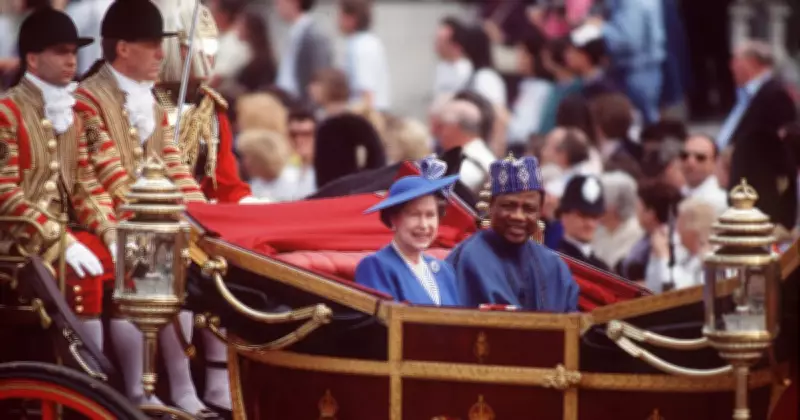
In May 1989, General Ibrahim Badamasi Babangida, accompanied by his wife Maryam Babangida and senior government officials, arrived in the United Kingdom for what would become Nigeria's final State Visit to Britain for 37 years. At that time, Nigeria was under military rule, with Babangida having assumed power following the 1985 coup that ousted Muhammadu Buhari.
Despite the domestic political climate, Babangida's administration actively sought to maintain strong economic and diplomatic ties with Western nations, particularly with Britain, Nigeria's former colonial ruler. The visit represented a crucial diplomatic effort to position Nigeria as a stable international partner during a period of economic restructuring and growing calls for democratic transition.
Ceremonial Significance and Bilateral Discussions
During the 1989 visit, Babangida was formally received by Queen Elizabeth II at Buckingham Palace, the ceremonial heart of British state diplomacy. State visits of this magnitude are rare and carry substantial symbolic weight, involving official receptions, bilateral talks, and strategic meetings designed to strengthen international relations.
Babangida also engaged in discussions with then-British Prime Minister Margaret Thatcher, focusing on economic cooperation, trade relations, and Nigeria's controversial Structural Adjustment Programme (SAP). This economic reform initiative aimed to stabilize Nigeria's economy following the oil boom years and mounting debt pressures.
Enduring UK-Nigeria Relations
At the time of Babangida's visit, Britain remained one of Nigeria's most important trading partners, with deep connections in oil, finance, and education sectors. Thousands of Nigerian students were enrolled in British universities, while UK companies maintained significant investments in Nigeria's energy and manufacturing industries.
The 1989 visit helped reinforce bilateral cooperation during a critical economic period for Nigeria, strengthening several key areas:
- Trade and investment between Nigerian and British corporations
- Educational partnerships facilitating Nigerian student enrollment in UK institutions
- Diplomatic engagement between both governments during economic turbulence
This diplomatic mission solidified Nigeria's position as one of Britain's most vital African partners at the time. Although subsequent Nigerian leaders traveled to Britain for working visits, summits, and Commonwealth meetings, none carried the formal status of a State Visit—the highest level of diplomatic invitation extended by the British monarch.
Tinubu's Upcoming Diplomatic Milestone
Nearly four decades later, President Bola Tinubu is scheduled to undertake his official State Visit to the United Kingdom from Wednesday, March 18, to Thursday, March 19. This visit represents a notable diplomatic milestone that signals renewed engagement between Nigeria and Britain as both nations navigate complex economic and geopolitical landscapes.
Nigeria maintains a robust trade relationship with the UK, with bilateral trade exceeding £8 billion (approximately $10.6 billion) in the year leading to October. The contemporary relationship encompasses multiple dimensions:
- Trade and investment partnerships
- Security cooperation initiatives
- Education and migration exchanges
- Energy and climate collaboration
Thousands of Nigerians continue to relocate to the UK annually for education and employment opportunities, making the Nigerian diaspora one of the largest African communities in Britain.
Strategic Discussions and Symbolic Importance
Tinubu's visit is expected to include meetings with senior British government officials, discussions on expanding trade under the UK's post-Brexit global partnerships strategy, and talks concerning investment in Nigeria's infrastructure, energy, and technology sectors.
The symbolic significance of this State Visit cannot be overstated. Beyond closed-door meetings, such diplomatic events carry ceremonial weight and international visibility, signaling a partnership level that transcends ordinary diplomatic exchanges.
A Diplomatic Circle Completes Its Revolution
When Babangida visited Britain in 1989, the world was markedly different—the Cold War persisted, Nigeria was under military governance, and the global economic landscape bore little resemblance to today's interconnected systems.
Now, almost forty years later, Tinubu's planned visit effectively closes a substantial diplomatic gap. While the era and challenges have transformed, the enduring relationship between Nigeria and the United Kingdom persists—shaped by shared history, economic ties, migration patterns, and a complex, intertwined past that continues to influence present diplomatic engagements.




