Trump Says He Will Accept U.S. Investigation Findings on Deadly Iran Missile Strike
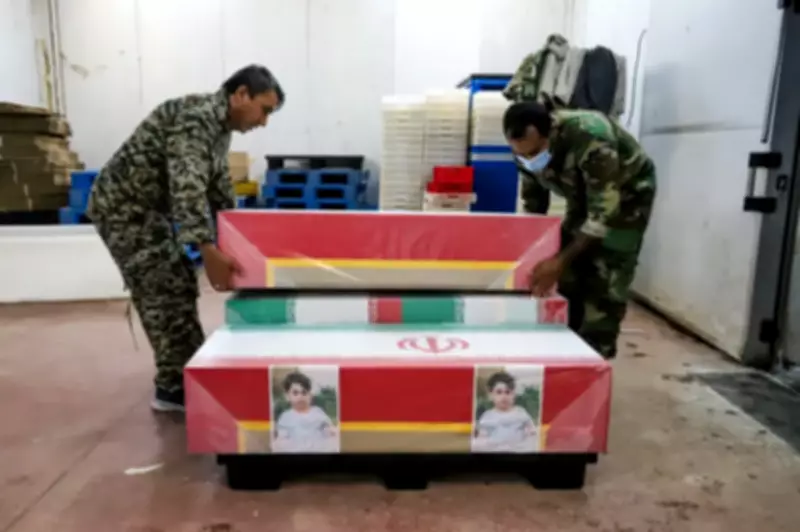
President Donald Trump has stated that he currently lacks sufficient information regarding the devastating missile strike near a girls' elementary school in Iran, which reportedly resulted in the deaths of at least 168 individuals, including numerous children. However, he emphasized his commitment to accepting the conclusions of an ongoing United States investigation into the tragic incident.
Escalating Conflict and Presidential Remarks
The deadly strike occurred amidst the intensifying military conflict between the United States and Iran, which was triggered by large-scale U.S.-Israeli attacks on Iranian military targets in late February. During a press conference held at Trump National Doral in Miami, President Trump addressed the situation, noting that the investigation remains active and that he is prepared to abide by its final determination.
"I just don't know enough about it," Trump remarked. "But whatever the report shows, I'm willing to live with that report."
Video Evidence and Questions About Responsibility
Concerns about the attack have escalated following the emergence of a new video that appears to depict what experts identify as a Tomahawk cruise missile striking a building adjacent to the girls' school. Analysts examining the footage have indicated that the missile bears resemblance to the U.S.-manufactured weapon system.
Nevertheless, President Trump suggested that the missile might not have originated from American forces. "The Tomahawk is one of the most powerful weapons around," he explained. "It's used by other countries. Whether it's Iran or somebody else, that's being investigated right now."
The United States produces the Tomahawk missile and supplies it to several key allies, such as the United Kingdom and Australia, but the technology has never been transferred to Iran.
Conflicting Claims and Investigative Context
Previously, President Trump had implied that Iran could be accountable for the strike. Speaking to reporters aboard Air Force One over the weekend, he asserted, "Based on what I've seen, that was done by Iran." During that exchange, U.S. Defense Secretary Pete Hegseth stood behind him, stating that the situation was still under review and alleging that Iran has a historical pattern of targeting civilians.
Two sources with knowledge of preliminary assessments revealed that U.S. forces had been conducting strikes in the same region approximately when the school was hit, although the exact circumstances of the explosion remain ambiguous.
Geographical and Diplomatic Dimensions
Analysis of satellite imagery indicates that the Shajareh Tayyebeh school, located in the southern city of Minab, was situated near a compound associated with Iran's Islamic Revolutionary Guard Corps. However, reports suggest that the school had been separated from the military facility for over a decade.
Iran has vehemently denied any involvement in the strike. Iranian Foreign Minister Abbas Araghchi dismissed the allegations during a television interview, firmly insisting that Iran had no connection to the attack on the school.