
Trump Reveals NATO Anger Rooted in Greenland Dispute, Criticizes Allies
U.S. President Donald Trump has publicly stated that his recent grievances with the North Atlantic Treaty Organization (NATO) trace back to a standoff earlier this year over Greenland. During a White House press conference, Trump declared, "It all began with, if you want to know the truth, Greenland. We want Greenland. They don't want to give it to us. And I said, 'bye, bye.'" This remark revives a dispute that rattled transatlantic ties in January, when Trump threatened to take control of the self-ruling Danish territory before backing down after an agreement was struck.
European Alarm and Contingency Plans
The episode sparked significant alarm across Europe, with Denmark reportedly preparing contingency plans in case of a U.S. invasion of the island. Trump used the Monday press conference to broaden his attack on NATO, accusing transatlantic military allies of failing to support Washington during the Iran war. He emphasized, "I think it's a mark on NATO that will never disappear," adding that he was "very disappointed" by the lack of military backing. This disappointment stems from several countries, including Spain, refusing to grant access to bases or airspace, and European governments declining to send warships to secure the Strait of Hormuz.
Growing Criticism from the Trump Administration
The comments echo a growing drumbeat of criticism from the Trump administration. Last week, Trump floated the idea of pulling the U.S. out of NATO, while U.S. Secretary of State Marco Rubio warned that the alliance risks becoming "not a very good arrangement" for Washington. This escalating rhetoric highlights deepening tensions within the military alliance, which has been a cornerstone of Western security for decades.
European Resistance and Diplomatic Efforts
European leaders have so far resisted U.S. pressure. In a call last Thursday involving more than 40 leaders, governments discussed diplomatic and economic steps to reopen the Strait of Hormuz but stopped short of any concrete military commitment. French President Emmanuel Macron went further, warning that such a military operation would be "unrealistic." This stance underscores the divide between U.S. expectations and European willingness to engage militarily in the region.
Upcoming Meetings and Trump's Skepticism
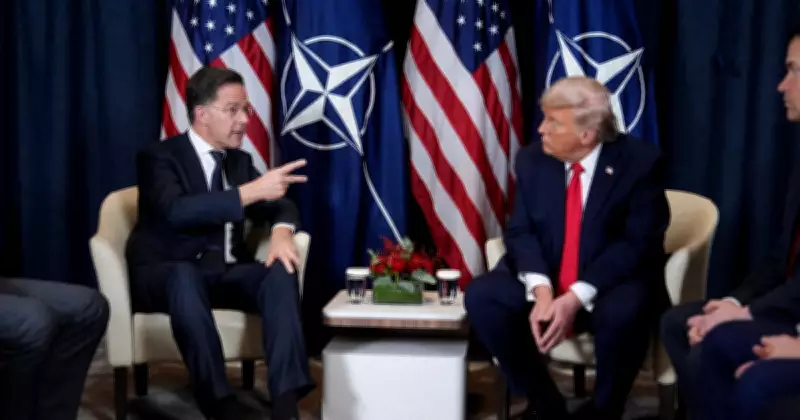
NATO Secretary-General Mark Rutte is set to meet Trump, Rubio, and U.S. Defense Secretary Pete Hegseth in Washington on Wednesday in a bid to ease tensions. However, Trump appears unimpressed, stating, "They're going to say, 'oh, we'll do this. We'll do that.' Now they all of a sudden want to send things." This skepticism suggests that the upcoming discussions may face significant hurdles as the U.S. continues to press for greater allied support in global conflicts.




