
Trump Delivers Forceful Ultimatum to Iran Over Strait of Hormuz Deadline
US President Donald Trump has issued a stark warning to Iran, threatening extensive military action if the country does not agree to reopen the strategically vital Strait of Hormuz by a specified deadline. During a press conference, Trump escalated his rhetoric dramatically, stating that critical Iranian infrastructure could be targeted, including bridges and power plants, which he claimed could be destroyed within hours.
Deadline Set Amid Rejected Ceasefire Proposal
The ultimatum comes after Iran firmly rejected a proposed ceasefire plan, known as the Islamabad Accords. This plan included a 45-day ceasefire, immediate reopening of the Strait of Hormuz, and a negotiation period of 15 to 20 days to discuss sanctions relief and nuclear agreements. Iranian officials, led by Abbas Araqchi, dismissed the proposal, insisting on a permanent end to the conflict with guarantees against future attacks rather than temporary arrangements.
Trump set the deadline for compliance at 8 p.m. Eastern Time on Tuesday, April 7, which corresponds to 1 a.m. Wednesday UK time. He indicated that failure to meet this deadline would result in immediate and severe consequences, potentially including the destruction of infrastructure and further military escalation. The President also asserted that Iran had already been militarily defeated and suggested the United States could impose control over the Strait of Hormuz, even charging tolls for its use.
Iranian Retaliation Threats and Regional Tensions
In response to Trump's remarks, Iranian military leadership issued a stern warning, stating that any continued or expanded attacks, particularly on civilian infrastructure, would be met with devastating and widespread retaliation across the Middle East. This exchange highlights the deepening rift between the two nations, with both sides hardening their positions.
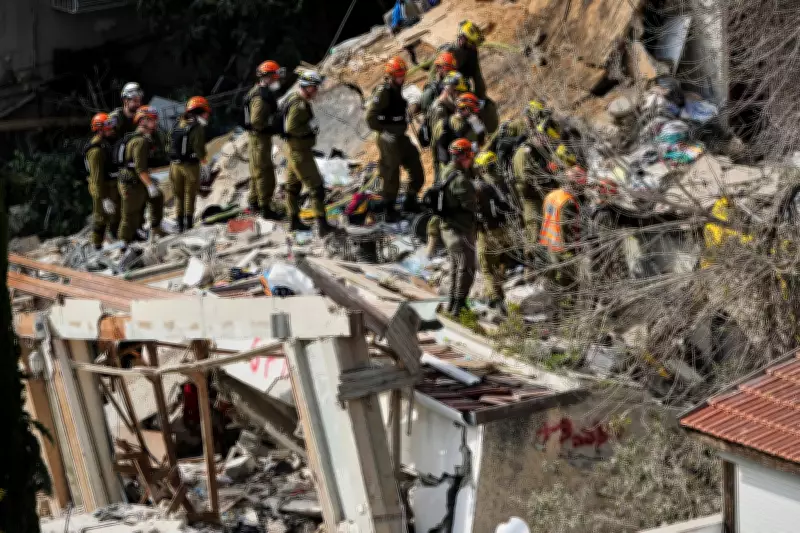
Tensions have intensified following reports of ongoing military activity. Strikes have reportedly hit areas in Tehran, while Iran has launched missiles targeting regional locations, including US interests and allied territories. The conflict has also involved Israel, which has conducted strikes on Iranian infrastructure, such as energy facilities, further complicating the regional dynamics.
Diplomatic Efforts and Strategic Implications
Despite the escalating threats, diplomatic efforts have continued, involving multiple international actors. Talks reportedly included figures such as US Vice President JD Vance, Pakistan's army chief Asim Munir, and other representatives attempting to broker a resolution. However, these negotiations have so far failed to bridge the gap, with Trump reiterating that time is running out for Iran to comply.
The Strait of Hormuz remains at the center of this crisis, serving as one of the most critical chokepoints for global energy supply. Any disruption to this waterway could have far-reaching economic and geopolitical implications, affecting oil shipments worldwide. As the deadline looms, the situation underscores the high stakes involved, with both nations poised for potential confrontation.




