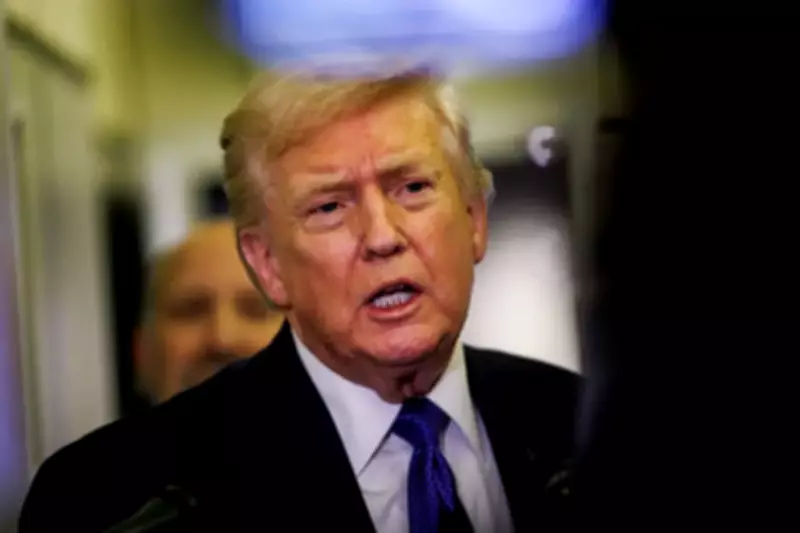
Trump Indicates US Attention May Turn to Cuba Following Iran Conflict Resolution
In a recent statement that has captured international attention, former U.S. President Donald Trump has suggested that the United States might redirect its foreign policy focus toward Cuba once current priorities with Iran are addressed. Speaking during a White House reception, Trump emphasized that while the Iran situation remains the immediate concern, actions involving Cuba could be forthcoming in the near future.
"A Question of Time" Before US Engagement with Cuba Intensifies
Trump explicitly told attendees, including U.S. Secretary of State Marco Rubio, "We want to fix, finish this one first — but that will be just a question of time before you and a lot of unbelievable people are going to be going back to Cuba." This remark has been interpreted by many analysts as a clear signal that the Trump administration views Cuba as a potential next target for increased U.S. diplomatic and economic pressure.
The comments come at a time when Cuba is already grappling with significant challenges due to existing U.S. sanctions. The United States has implemented stringent economic measures that have notably disrupted Venezuela's oil supplies to the island nation. Consequently, Cuba has experienced a sharp decline in fuel availability, leading to reduced airline operations and exacerbating a pre-existing energy crisis.
Praise for Rubio's Role in Cuba Policy
During the same event, Trump publicly commended Secretary of State Marco Rubio, specifically highlighting his efforts regarding Cuba. Trump referred to Rubio, who is the Miami-born son of Cuban immigrants, as having done "a fantastic job on a place called Cuba." This endorsement underscores the administration's alignment with Rubio's historically tough stance on the Cuban government and suggests continued collaboration on future policy initiatives.
Broader Implications for US Influence in the Region
Observers and foreign policy experts view Trump's statements as part of a larger strategy to amplify U.S. influence throughout the Caribbean and Latin America. Cuba's current predicament includes severe energy shortages directly linked to U.S. actions that have obstructed foreign oil imports. These shortages have resulted in frequent power outages and have intensified economic difficulties for the Cuban population.
Trump and Rubio have previously expressed desires for political transformation in Havana, and these latest remarks have fueled speculation that Cuba could emerge as a central focus of U.S. foreign policy once the administration concludes its dealings with Iran. The potential shift in attention raises questions about future diplomatic maneuvers, economic sanctions, and the overall trajectory of U.S.-Cuba relations under the current administration.
The situation remains fluid, with international communities closely monitoring developments. The interplay between U.S. priorities in the Middle East and its ambitions in the Western Hemisphere continues to shape global geopolitical dynamics, with Cuba positioned as a key area of interest in ongoing diplomatic discussions.