
Trump's Proposed Greenland Agreement Could Extend U.S. Sovereignty Over Military Installations and Mineral Resources
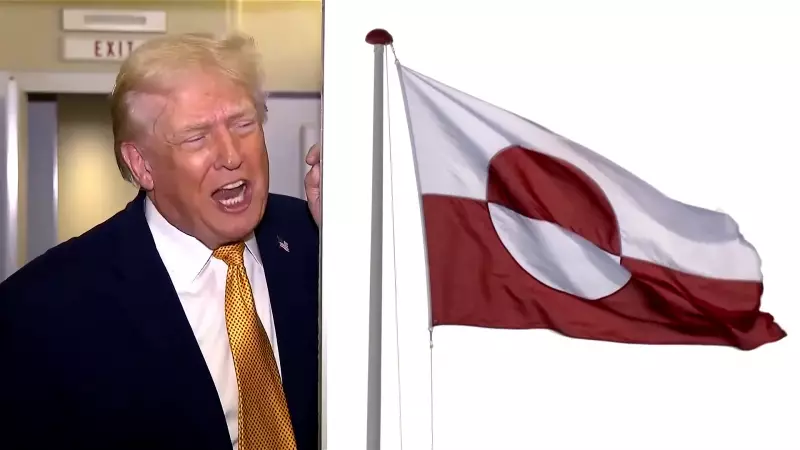
U.S. President Donald Trump arrived in Davos on Wednesday with a strategic agenda focused on securing a landmark agreement that would significantly enhance American control over Greenland's security apparatus and the broader Arctic region. According to a new report citing two former U.S. officials and a congressional official, the potential deal represents a major geopolitical maneuver with far-reaching implications.
Public Threats and Private Negotiations
Trump had previously made public statements threatening to assert control over Greenland, including suggestions of potential military force. He also warned of imposing tariffs on European allies who opposed his ambitious plan, creating a substantial transatlantic crisis that strained diplomatic relations. This pressure campaign set the stage for high-stakes negotiations at the international forum.
Ahead of his crucial trip, Trump dispatched senior U.S. officials to Davos to prepare the groundwork for what could become a historic agreement. Following a meeting with NATO Secretary General Mark Rutte, Trump announced on his Truth Social platform that both parties had reached consensus on a "framework of a future deal" concerning Greenland. He simultaneously declared he would not implement the previously threatened tariffs, signaling a potential diplomatic breakthrough.
Military Expansion and Strategic Objectives
According to two former U.S. officials familiar with internal discussions, Trump has actively explored the possibility of deploying additional American troops and constructing new military bases in Greenland. These installations would particularly support the Golden Dome missile defence system, enhancing regional security capabilities. An expanded NATO presence in the Arctic region would serve as a stronger deterrent against both China and Russia while bolstering defensive infrastructure.
During his Davos appearances, Trump assured audiences he would not employ military force to acquire Greenland, a position he had privately communicated to advisers and allies beforehand. A European diplomat characterized this reassurance to allies as emphasizing "this wasn't going to be Venezuela," distinguishing the approach from more aggressive interventions.
Internal Deliberations and Diplomatic Responses
Some of Trump's closest advisers reportedly cautioned against using military force, according to current and former officials familiar with the discussions. The Chairman of the Joint Chiefs of Staff, Dan Caine, presented detailed analyses of potential options and consequences associated with a military takeover. Ultimately, Trump decided against pursuing this path, opting instead for diplomatic negotiations.
Denmark responded positively to news of the framework agreement but firmly maintained it would not compromise on matters of sovereignty. A NATO spokesperson confirmed that Secretary General Rutte did not offer any concessions regarding sovereignty during the meeting, preserving fundamental diplomatic principles.
Economic Considerations and Strategic Vision
White House spokesperson Anna Kelly expressed optimism about the deal's prospects, claiming the United States could achieve its strategic objectives in Greenland "at very little cost, forever." She indicated that specific details would be disclosed as they become finalized through ongoing negotiations.
Before the meeting, Trump suggested Greenland might have a "reasonable price" but provided no specific financial figures. Previous reporting from NBC News has estimated that acquiring Greenland could potentially cost up to $700 billion, highlighting the significant economic dimensions of the proposed arrangement.
European Diplomacy and Future Implications
In his Davos speech, Trump framed the Greenland issue as a critical choice for European leaders, stating the United States sought "a piece of ice for world protection" and would remember those who refused cooperation. U.S. allies have been exploring various approaches to satisfy Trump's objectives without surrendering Greenland entirely, with officials hoping the Davos forum would facilitate direct, productive talks.
One European diplomat captured the diplomatic uncertainty, noting "Everyone is looking for an offramp, but I think only President Trump knows what that could be." This statement reflects the complex negotiations surrounding sovereignty, military access, and resource rights that continue to evolve as discussions progress toward potential finalization.




