UK Declines Trump's Call for Naval Support Against Iran
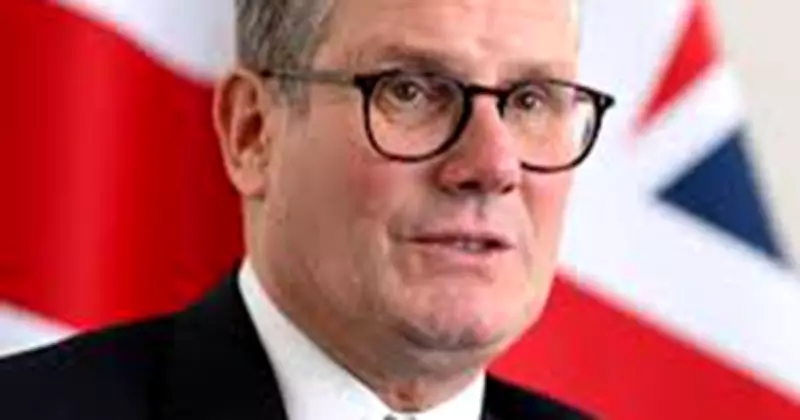
The United Kingdom has formally rejected a direct request from U.S. President Donald Trump to deploy British warships to the strategically vital Strait of Hormuz. This decision represents a significant diplomatic stance as international tensions escalate in the Middle East region. The UK government, led by Prime Minister Sir Keir Starmer, has communicated that it will not commit Royal Navy vessels to the proposed multinational naval coalition aimed at securing the crucial shipping waterway.
Focus on Non-Combat Alternatives
Instead of direct military involvement, British officials have indicated they will explore alternative support mechanisms that do not involve combat operations. These include deploying mine-clearing drones and providing specialized equipment to help maintain maritime security in the region. The preference for non-combat roles reflects a deliberate strategy to avoid actions that could potentially escalate the conflict or draw the United Kingdom into broader hostilities with Iran.
Government representatives have emphasized their commitment to regional stability while maintaining a cautious approach to military engagement. This position aligns with growing concerns among several U.S. allies about the risks associated with direct naval deployment in an increasingly volatile area of global importance.
International Allies Exercise Similar Caution
The UK's decision mirrors the cautious positions adopted by other key American allies. Both Japan and Australia have publicly stated they currently have no plans to dispatch naval vessels for escort missions through the Strait of Hormuz. These nations cite various legal and political constraints, along with legitimate concerns about entering what has become a potential conflict zone following recent disruptions to commercial shipping by Iranian forces.
Meanwhile, France and several European partners have engaged in discussions about potential defensive escort missions under existing European Union naval frameworks. French officials have pledged additional naval support, including plans for frigates and other vessels, to aid commercial shipping through the region. However, specific deployment details and operational timelines remain fluid and subject to ongoing diplomatic negotiations.
Strategic Importance of the Strait
The Strait of Hormuz represents one of the world's most critical maritime chokepoints, with approximately 20% of global oil supplies passing through its waters daily. President Trump has been actively advocating for a "naval coalition" of nations to safeguard this vital shipping route after Iranian forces disrupted commercial traffic amid escalating regional tensions. While the United States has already positioned naval assets in the area, the mixed international response highlights the complex geopolitical calculations involved.
Some nations, including India, have considered naval participation primarily to protect their own substantial oil imports that transit through the strait. However, no confirmed deployments have been officially announced by these countries, reflecting the delicate balance between energy security concerns and the risks of military escalation.
Broader Diplomatic Implications
This development underscores the growing international hesitation among traditional U.S. allies regarding how to respond effectively to the escalating Middle East crisis. While the United States continues to press for a collective naval effort to keep the strategic strait open, several key partners demonstrate clear preference for diplomatic solutions and non-combat support roles over direct military involvement.
The UK's specific rejection of warship deployment, coupled with similar cautious positions from other allies, signals a significant moment in transatlantic relations and international security cooperation. It reflects the complex interplay between alliance commitments, national security interests, and the practical realities of engaging in potential conflict zones with far-reaching economic and political consequences.