
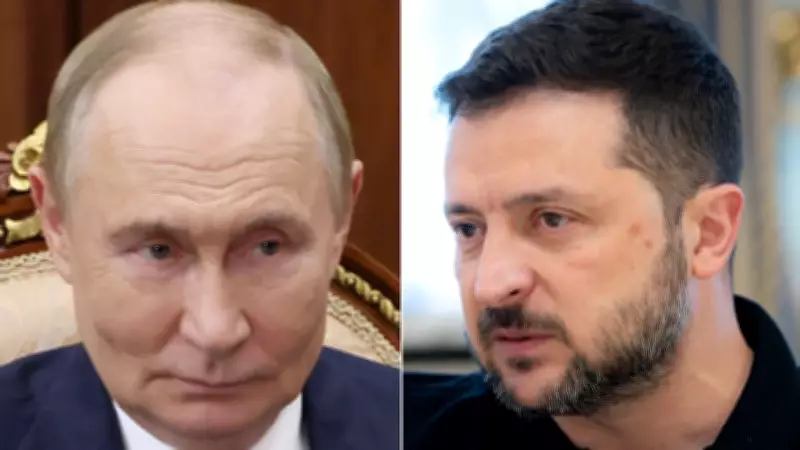
Ukrainian President Volodymyr Zelensky has declared that Kyiv is prepared to resume discussions with the United States next week regarding proposals aimed at concluding the ongoing war with Russia. This announcement comes as the conflict, which began in February 2022, is on the verge of marking its fourth anniversary, underscoring the urgency for diplomatic solutions.
Zelensky's Address and Diplomatic Developments
In his evening address on Saturday, Zelensky revealed that Ukrainian negotiators are currently awaiting feedback from Washington on the scheduling of further meetings. He emphasized Ukraine's commitment to engaging in all available working formats, stating, "Ukraine is ready to work in all working formats. It is important that there are results and that the meetings take place. We are counting on meetings next week and are preparing for them." This statement suggests a potential postponement of a second round of talks that was initially scheduled to commence on Sunday in Abu Dhabi, involving officials from the US, Russia, and Ukraine.
Recent Negotiations and International Context
Teams from Ukraine and Russia recently convened last Friday and Saturday in Abu Dhabi for their first face-to-face negotiations under a plan promoted by US President Donald Trump to resolve the conflict. The parties had agreed to reconvene on Sunday, but Zelensky hinted on Thursday that the date and location of the next talks might change due to escalating tensions between Washington and Tehran. Concurrently, US envoy Steve Witkoff reported holding "productive and constructive" discussions with Russian envoy Kirill Dmitriev in Florida on Saturday, indicating ongoing diplomatic efforts behind the scenes.
Challenges and Diverging Perspectives
While the United States has expressed optimism that both sides are nearing an agreement, Kyiv maintains that significant differences persist, particularly concerning territorial issues in any post-war settlement. These disparities highlight the complexities involved in reaching a consensus that addresses the core concerns of all parties involved. As the war enters its fourth year, the international community closely monitors these developments, hoping for a breakthrough that could pave the way for peace and stability in the region.




