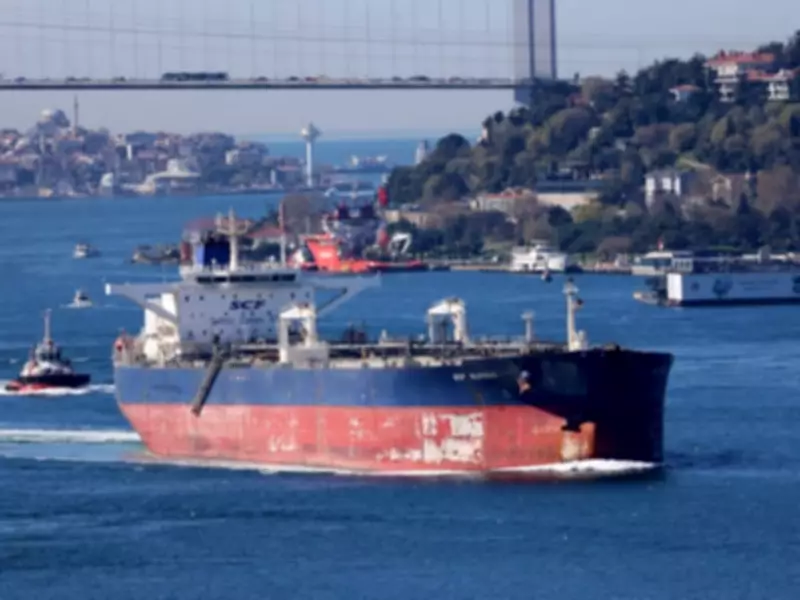
US Approves Temporary Sale of Stranded Russian Oil to India
The United States has temporarily eased specific economic sanctions against Russia to facilitate the sale of Russian oil currently stranded at sea to India. This waiver, issued by the US Department of the Treasury through its sanctions enforcement unit, the Office of Foreign Assets Control (OFAC), is designed to mitigate potential disruptions in the global energy market.
Details of the Sanctions Waiver
According to the Treasury Department, the special license authorizes the delivery and sale of crude oil and petroleum products of Russian origin that were already loaded onto vessels as of March 5, 2026. The authorization permits transactions, including those involving ships previously affected by sanctions, to continue until April 3, 2026. This measure is intentionally short-term and applies only to oil that is already stranded at sea, ensuring it does not provide significant financial benefits to the Russian government.
Official Statement and Rationale
Scott Bessent, a representative, explained that the waiver aims to enable oil to keep flowing into the global market. In a post on X, he stated, "This deliberately short-term measure will not provide significant financial benefit to the Russian government as it only authorizes transactions involving oil already stranded at sea." He further suggested that the move could help stabilize global energy supply following recent tensions involving Iran, highlighting its strategic importance beyond immediate economic considerations.
Background and Context
This decision follows months after former President Donald Trump imposed sanctions on major Russian oil companies, including Lukoil and Rosneft, in response to Russia's invasion of Ukraine. Those sanctions compelled many international buyers of Russian crude to seek alternative suppliers, leading to shifts in global oil trade dynamics. Russia has reportedly attempted to bypass sanctions imposed by the United States, the European Union, and the Group of Seven by utilizing a fleet of ageing oil tankers with opaque ownership structures to transport its crude oil, underscoring the ongoing challenges in enforcing international sanctions.
The temporary waiver reflects a balancing act between maintaining pressure on Russia through sanctions and addressing practical concerns in the global energy landscape. By allowing the sale of stranded oil, the US aims to prevent market volatility while adhering to its broader geopolitical objectives. This development is closely watched by energy analysts and policymakers, as it may influence future sanctions strategies and international trade relations in the oil sector.