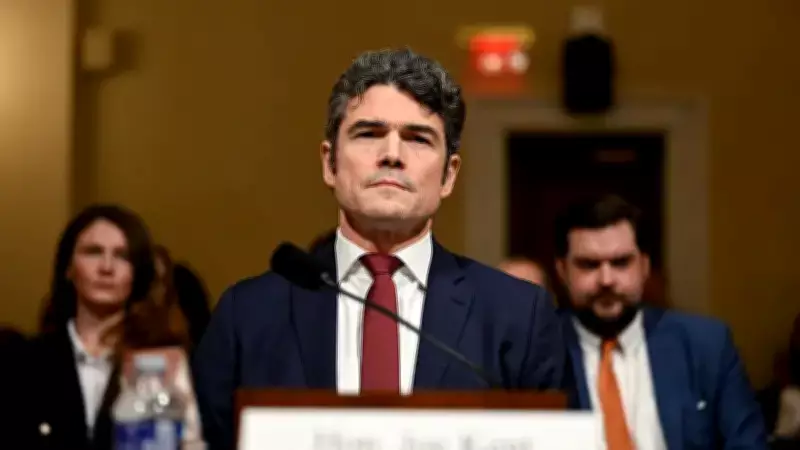
The head of the National Counterterrorism Center, Joseph Kent, resigned on Tuesday, marking the first and most senior resignation from President Donald Trump's administration over the ongoing war in Iran. In a letter posted on X, Kent asserted that Iran posed no imminent threat to the United States, a key factor under current law for justifying military action.
Resignation Over Conscience and Legal Concerns
Joseph Kent stated in his resignation letter that he could not in good conscience support the war in Iran, emphasizing that Tehran did not present an immediate danger to the nation. He attributed the conflict to pressure from Israel and its influential lobby, rather than a legitimate security threat. This move highlights internal dissent within the administration regarding the legal and ethical grounds for the war.
Expert Opinions on Imminent Threat Requirement
Legal experts have noted that under existing U.S. law, an imminent threat is typically required to authorize a war. Kent's resignation underscores this point, suggesting that the administration may have bypassed this criterion. The Office of the Director of National Intelligence has not provided an immediate response to the resignation, leaving questions about the intelligence community's stance on the matter.
Connections to Director of National Intelligence
Kent is known to be close with Director of National Intelligence Tulsi Gabbard, who has maintained a low profile since the Iran war began. Gabbard has avoided public statements and has only been seen publicly during the dignified transfer of American soldiers killed in the conflict earlier this month. This raises speculation about potential divisions or silence within the intelligence leadership regarding the war's justification.
The resignation of such a high-ranking official signals significant internal conflict over U.S. foreign policy in the Middle East, with implications for future military engagements and diplomatic relations.