Top US Counterterrorism Chief Resigns Over Iran War, Citing Unjustified Conflict
In a significant development that has sent shockwaves through Washington, a senior United States intelligence official has resigned in protest over the ongoing war involving Iran. This move raises fresh concerns about deep divisions within the government regarding the conflict's justification and strategic direction.
Public Resignation Statement Highlights Conscience and Criticism
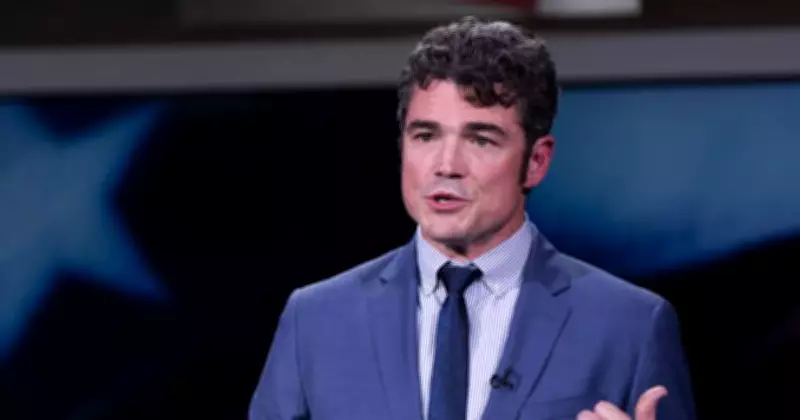
Joe Kent, the Director of the National Counterterrorism Center, announced his resignation in a public statement, declaring that he could no longer support the war in good conscience. According to Kent, Iran posed no immediate threat to the United States, directly contradicting the official justification for the military action.
"After much reflection, I have decided to resign from my position as Director of the National Counterterrorism Center, effective today. I cannot in good conscience support the ongoing war in Iran. Iran posed no imminent threat to our nation, and it is clear that we started this war due to pressure from Israel and its powerful American lobby," Kent stated in his resignation letter addressed to President Donald Trump.
Allegations of External Influence and Exaggerated Threats
The outgoing director argued that the war was heavily influenced by pressure from Israel and its allies within the United States. He claimed that a coordinated campaign had misled decision-makers into believing that swift military action would lead to a decisive victory.
Kent emphasized that the narrative surrounding Iran's threat had been deliberately exaggerated, leading to a conflict he views as unnecessary and misguided. His statement pointed to a broader pattern of external pressures shaping US foreign policy decisions.
Personal Motivations and Historical Parallels
The former official, a combat veteran with multiple deployments, made his resignation deeply personal. He revealed that he had lost his wife in a previous conflict, which he described as a war influenced by similar external pressures. This tragic personal history made it impossible for him to support another war that he believes does not serve American interests.
Kent warned that the United States risks repeating past mistakes, drawing explicit parallels to the Iraq war, which led to significant loss of lives and resources. According to his assessment, the current situation could push the country further into instability if not reassessed and corrected promptly.
Mixed Message to President Trump
Despite his strong criticism of the current war effort, Kent acknowledged President Trump's earlier foreign policy stance, particularly his efforts to avoid prolonged wars during his first administration. He urged the president to reconsider the current approach and "chart a new path" for the nation that aligns with American strategic interests rather than external pressures.
Significance of the Resignation
This resignation marks a rare and significant public dissent from within the US intelligence community, especially at such a high level. Analysts suggest it could intensify debate in Washington over the justification, strategy, and long-term consequences of the Iran conflict.
As the war continues, this development highlights growing unease among some officials about the direction of US foreign policy and the potential human and economic costs tied to the ongoing military engagement. The public nature of Kent's resignation is particularly noteworthy, as intelligence officials typically maintain discretion regarding policy disagreements.
The resignation comes at a critical juncture in US-Iran relations and raises fundamental questions about decision-making processes within the national security apparatus. It underscores the tension between intelligence assessments and political pressures in shaping military interventions.