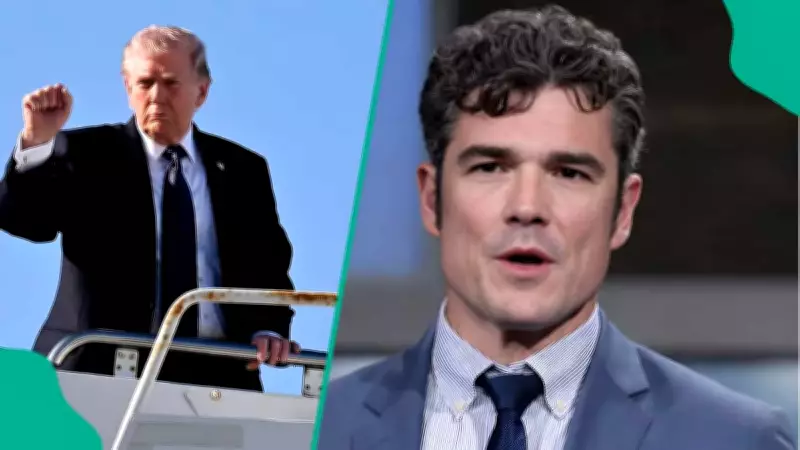
US Counterterrorism Director Steps Down in Protest Over Iran Military Action
In a dramatic development, Joe Kent, the director of the United States National Counterterrorism Center, resigned on Tuesday, citing his inability to support military action in Iran. Kent stated he "cannot in good conscience" back the war, adding that Iran "posed no imminent threat to our nation." This move underscores growing internal dissent within the Trump administration over the conflict.
Social Media Claims and Political Pressure
On social media platforms, Kent elaborated on his resignation, asserting that the war "started due to pressure from Israel and its powerful American lobby." This allegation comes amid ongoing debates about the motivations behind the US strikes in Iran. President Trump has denied acting under Israeli pressure, offering varying explanations for the military actions. However, House Speaker Mike Johnson recently suggested that the White House felt Israel was prepared to act unilaterally, forcing Trump into a "very difficult decision."
Background and Confirmation of Joe Kent
Joe Kent was appointed as director of the National Counterterrorism Center in July last year, following a narrow Senate approval vote of 52-44. In this role, he oversaw the US government's primary office for analyzing and warning about terrorist threats. His resignation highlights that even some individuals aligned with President Trump are expressing dissatisfaction and questioning the rationale for the war in Iran.
Political Controversies and Defense
Prior to his appointment, Kent faced opposition from Democrats due to his past associations with far-right groups and conspiracy theories. He had worked with figures linked to the Proud Boys and Christian nationalist groups, paying them for campaign consulting during his two unsuccessful congressional campaigns in Washington state. Additionally, Kent did not reject claims that federal agents were involved in the January 6 Capitol attack or that Trump won the 2020 election.
Despite these controversies, Republicans defended Kent, emphasizing his extensive military and intelligence background. He served 11 tours as a Green Beret and later worked with the CIA. Senator Tom Cotton praised him for a career "dedicated to fighting terrorism and keeping Americans safe."
Implications and Broader Context
Kent's resignation signals a significant rift within US counterterrorism and national security circles regarding the Iran war. It raises questions about the administration's decision-making process and the influence of external pressures. As the conflict continues, with reports such as Israel running low on interceptors after 16 days of war, this internal dissent could impact future policy directions and public perception of the conflict's legitimacy.