
US Embassy Issues Strong Statement on Religious Freedom in Nigeria
The United States government has delivered a fresh message emphasizing its unwavering commitment to advancing religious freedom and protecting vulnerable communities across Nigeria. This significant development comes as both nations intensify collaborative efforts to address pressing security challenges affecting religious groups.
Joint Working Group Launched in Abuja
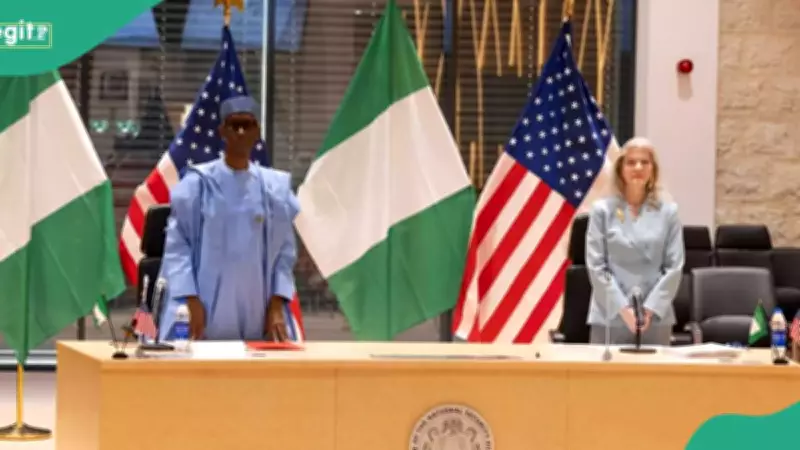
Last week in Abuja, the United States and Nigeria officially launched a Joint Working Group designed to tackle critical issues surrounding religious freedom and community security. This initiative directly responds to Nigeria's designation as a Country of Particular Concern under the Trump administration, signaling a structured approach to addressing long-standing concerns about religious violence and persecution.
The U.S. Mission Nigeria confirmed this development through an official statement posted on its X platform account, @USinNigeria, on Thursday, January 29, 2026. The embassy's communication clearly outlined the group's primary objectives, which include reducing violence against religious communities, strengthening security measures for vulnerable populations, and ensuring accountability for perpetrators of religiously motivated attacks.
Concrete Steps Toward Safer Religious Practices
The newly established Joint Working Group represents a concrete bilateral effort to create safer conditions for all Nigerians to practice their faith without fear of violence or discrimination. According to the U.S. Embassy's statement, the collaboration specifically aims to protect Christians and other vulnerable communities who have faced increasing threats in various regions of Nigeria.
The United States is committed to advancing religious freedom and protecting Christians and other vulnerable communities in Nigeria, the embassy declared in its social media post. Together, we are working towards a safer future where all Nigerians can practice their faith freely.
Nigerian Reactions to US Engagement
The announcement has generated significant responses from Nigerian citizens across social media platforms, reflecting diverse perspectives on international involvement in domestic religious matters.
@WhispersAfrica5 expressed approval, stating: Finally some decisive action! President Trump's CPC designation pushed this forward, and I'm glad to see concrete steps like the Abuja launch. Protecting vulnerable Nigerians, especially Christians facing violence, matters. Well done!
@winner2882 showed strong trust in American leadership: I trust America more than any other country in this world. Especially, the present president, Donald Trump. He is active and very decisive. I thank America for all they do to make the world a safer place.
Other commentators like @aduwolufemi appreciated the principled engagement: The United States deserves appreciation for its principled engagement with Nigeria, promoting religious freedom, strengthening security cooperation and upholding accountability.
Broader Context of Religious Violence in Nigeria
This development occurs against a backdrop of ongoing religious and communal conflicts in Nigeria that have drawn international attention. While previous statements from American leadership have focused predominantly on Christian victims, recent acknowledgments have recognized that Muslims also suffer from violence in Nigeria's complex security landscape.
The Joint Working Group initiative follows earlier diplomatic engagements, including meetings between Nigerian National Security Adviser Nuhu Ribadu and U.S. Congressman Riley M. Moore in November 2025. Those discussions centered on allegations of Christian persecution and broader terrorist threats within Nigeria, indicating sustained bilateral concern about religious freedom issues.
As this partnership evolves, observers will monitor how effectively the Joint Working Group translates diplomatic commitments into tangible security improvements for Nigeria's diverse religious communities. The collaboration represents a significant step in addressing what many consider one of Nigeria's most persistent human rights challenges.




