
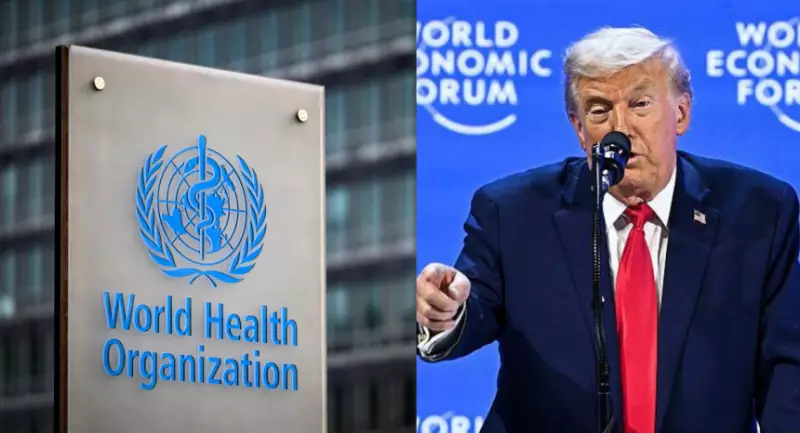
United States Officially Withdraws from World Health Organization
The United States has formally exited the World Health Organization (WHO) as of Thursday, January 22, a move that has ignited significant controversy and concern among global health experts. This decision, initiated by President Donald Trump through an executive order on the first day of his presidency in 2025, is proceeding despite warnings that it could severely impact both American and international public health efforts.
Legal and Financial Disputes Surround the Exit
Critics of the withdrawal argue that it violates U.S. law, which mandates a one-year notice period and the payment of all outstanding fees before departure. According to reports, the U.S. owes the WHO approximately $260 million in unpaid fees for 2024 and 2025. A State Department spokesperson defended the action, stating that the WHO's failures in containing, managing, and sharing information have cost the U.S. trillions of dollars. The spokesperson emphasized that the president has halted all future transfers of U.S. government funds, support, or resources to the organization, asserting that American contributions have already been excessive.
Global Reactions and Concerns
Global health leaders, including WHO Director General Tedros Adhanom Ghebreyesus, have urged the U.S. to reconsider, highlighting that the withdrawal represents a loss for both the United States and the world. Lawrence Gostin, founding director of the O'Neill Institute for Global Health Law at Georgetown University, labeled the move a clear violation of U.S. law but noted that Trump is likely to avoid consequences. Bill Gates, chair of the Gates Foundation, expressed pessimism about a near-term reversal, stressing the ongoing need for the WHO in global health initiatives.
Impact on WHO Operations and Budget
The U.S. departure has triggered a budget crisis at the WHO, historically its largest financial backer, contributing around 18% of its funding. In response, the agency has implemented drastic measures, including cutting its management team by half, reducing staff by about a quarter by mid-year, and scaling back work across various programs. While the WHO claims to have collaborated with the U.S. over the past year, the future of such cooperation remains uncertain.
Broader Implications for Global Health
Experts warn that this withdrawal could weaken essential global systems and collaborations crucial for detecting, preventing, and responding to health threats. Member states are scheduled to discuss the U.S. exit and its handling at the WHO's executive board meeting in February, as the international community grapples with the potential long-term effects on public health security and diplomacy.




