
US Lawmaker Engages Plateau Governor on Security and Alleged Christian Persecution
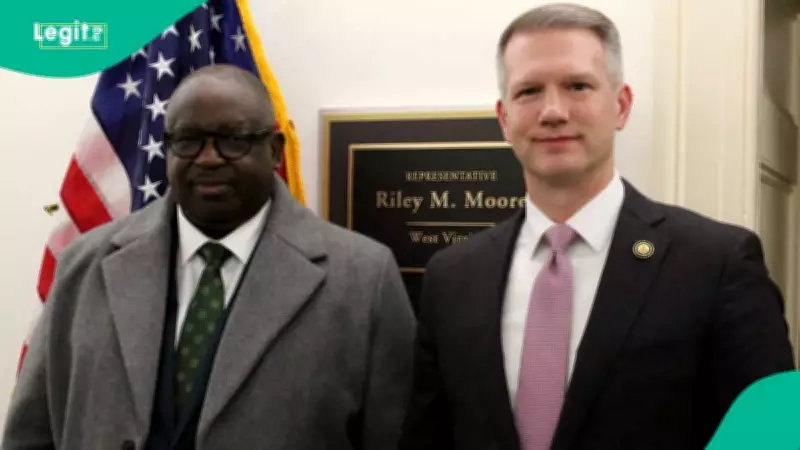
In a significant diplomatic development, United States Representative Riley Moore has held a meeting with Plateau State Governor Caleb Mutfwang. This engagement comes at a time of heightened international focus on the security challenges facing Nigeria's Middle Belt region, particularly allegations of targeted violence against Christian communities.
Meeting Details and Key Discussion Points
The meeting, which took place recently, was confirmed by Representative Moore through a post on his verified social media account. According to the US lawmaker, the discussions were both meaningful and productive, covering several critical areas of mutual concern between Nigeria and the United States.
The primary focus of the dialogue centered on three main areas:
- Addressing persistent security challenges in Plateau State and surrounding regions
- Exploring opportunities for enhanced economic cooperation
- Developing strategies to protect vulnerable populations, with particular emphasis on Christian communities
Representative Moore expressed his continued commitment to working collaboratively with Nigerian authorities to confront what he described as the persecution of Christians in the Middle Belt. He specifically commended Governor Mutfwang for his leadership efforts in protecting Christians and other vulnerable groups within the state.
International Context and Plateau State's Security Situation
This meeting occurs against a backdrop of renewed international debate regarding allegations of Christian persecution in Nigeria. The Plateau State region has experienced recurring violent incidents attributed to various armed groups, bandits, and militia elements. These conflicts have resulted in significant loss of life and widespread displacement of communities across the Middle Belt.
In recent months, claims describing the situation as an alleged "Christian genocide" have gained traction within certain Western political and advocacy circles. However, Nigerian authorities have consistently rejected this characterization, maintaining that the violence stems primarily from criminal activities, land disputes, and terrorism rather than religious motivations.
Broader Implications and Ongoing Developments
The engagement between US and Nigerian officials reflects the growing international scrutiny of Nigeria's security landscape. The Middle Belt region continues to face complex challenges including farmer-herder conflicts, banditry, and terrorist activities that affect communities across religious and ethnic lines.
Governor Mutfwang has repeatedly condemned attacks within Plateau State and called for stronger federal intervention, improved intelligence sharing mechanisms, and justice for victims of violence. The meeting with Representative Moore represents part of ongoing efforts to address these multifaceted security concerns through international cooperation and dialogue.
This development follows previous US initiatives related to Nigeria's security situation, including congressional hearings that examined violence against Christian communities and proposed measures for addressing the crisis. The continued engagement between US and Nigerian officials suggests sustained international interest in finding solutions to the security challenges affecting vulnerable populations across Nigeria's Middle Belt region.




