
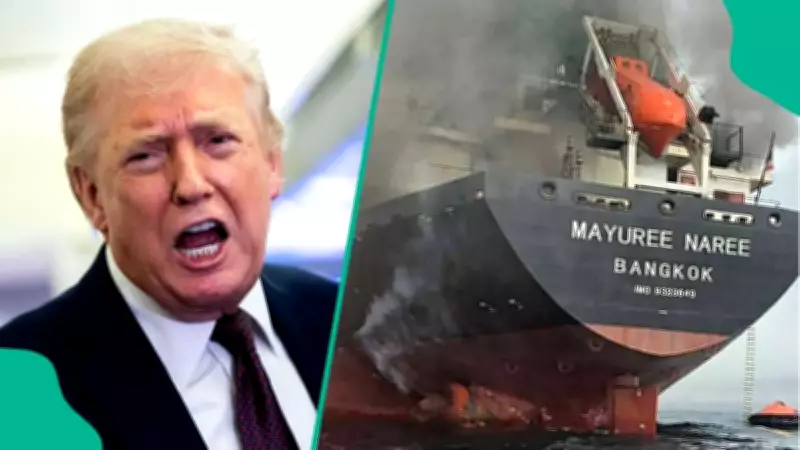
US Accelerates Troop Deployment to Middle East Amid Rising Iran Tensions
The United States is rapidly deploying thousands of additional troops to the Middle East, according to multiple officials who confirmed the accelerated military movements on Friday, March 20, 2026. This strategic shift comes as tensions escalate with Iran over the critical Strait of Hormuz, a vital global oil shipping lane that Iran has blocked to the US, Israel, and their allies.
Troop Movements Accelerated Ahead of Schedule
Three US officials speaking anonymously to Reuters disclosed that approximately 2,500 Marines are being deployed earlier than originally planned. The USS Boxer and its accompanying Marine Expeditionary Unit are reportedly departing from the US West Coast three weeks ahead of their scheduled deployment timeline. These officials emphasized that the planned deployments have not been formally announced through official channels, hence their request for anonymity.
President Donald Trump addressed questions about troop movements during a press briefing on Thursday, March 19, stating he was not deploying troops "anywhere" at that moment. He further clarified that even if such military decisions were made, they would not be publicly announced through press conferences or media statements. This contrast between presidential remarks and official confirmations highlights the sensitive nature of military operations in the region.
Strait of Hormuz Crisis Intensifies
The accelerated troop deployment occurs against the backdrop of Iran's blockade of the Strait of Hormuz, which handles nearly one-fifth of the world's traded oil. This strategic waterway closure has disrupted global oil exports, Gulf commerce, and even briefly halted operations at Dubai International Airport following a drone strike on a fuel tank. President Trump has called upon approximately seven nations to form a coalition that would help reopen the vital shipping lane, though he has not publicly named these countries or specified when such collective action might occur.
"It's something that we don't need, and these countries do need," Trump stated, emphasizing that allies should contribute to protecting their own shipping interests. Meanwhile, Iran maintains that the waterway remains open to all nations except the United States, Israel, and their allies. Iranian officials have rejected ceasefire calls and accused the US of utilizing ports in the United Arab Emirates to launch strikes on Kharg Island, a crucial oil export hub in the region.
International Rejection of Military Coalition
In a significant diplomatic development, several key nations have rejected President Trump's request for military support to reopen the Strait of Hormuz. Germany, the United Kingdom, Italy, France, Poland, Australia, Estonia, Japan, and Greece have all declined to participate in the proposed coalition. European leaders have emphasized their preference for diplomatic solutions and defensive measures rather than military engagement in the escalating conflict.
This widespread rejection has left the strategic waterway effectively closed, contributing to rising global energy prices amid the ongoing Middle East crisis. The absence of international military support complicates US efforts to address the blockade through multilateral action, potentially increasing pressure on unilateral American military options in the region.
The accelerated troop deployment, combined with the Strait of Hormuz blockade and international diplomatic rejections, creates a complex geopolitical landscape with significant implications for global energy markets, regional stability, and international relations. As thousands of US troops move toward the Middle East ahead of schedule, the world watches closely how this tense situation will unfold in the coming weeks and months.




