
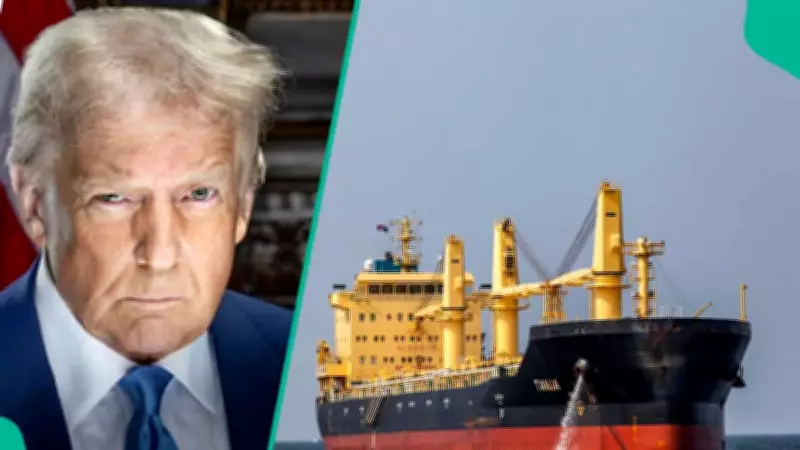
US Navy Intercepts Iranian Vessel in Strait of Hormuz, Sparking Regional Crisis
In a dramatic escalation of hostilities, the United States Navy has seized an Iranian-flagged cargo ship, the Touska, in the strategic Strait of Hormuz. This action follows the recent closure of the waterway by Iran, which has disrupted global oil supplies and heightened fears of a broader conflict in the Middle East.
Trump Confirms Seizure Amid Naval Blockade
Former President Donald Trump confirmed the interception, stating that the Touska attempted to breach a US naval blockade after ignoring repeated warnings. In a post on his Truth Social platform, Trump detailed the incident, noting that the vessel, nearly 900 feet long, was stopped by the Navy, which "bl0wing a hole in the engineroom" to disable it. He emphasized that the ship is under US Treasury sanctions due to prior illegal activities, and authorities are currently inspecting its cargo.
Iran Condemns Act as 'Armed Piracy' and Vows Retaliation
Iran swiftly responded to the seizure, condemning it as a violation of an existing ceasefire agreement. A spokesperson for Iran's Khatam al-Anbiya military headquarters accused US forces of "armed piracy" and warned that the Islamic Republic would retaliate. Iranian officials claimed the ship's navigation system was disabled before US marines boarded, further escalating tensions between the two nations.
Diplomatic Efforts in Jeopardy as Blockade Continues
The crisis has cast doubt on upcoming diplomatic talks aimed at de-escalating Middle East hostilities. The White House confirmed that Vice-President JD Vance is scheduled to lead a delegation to Pakistan for negotiations, but Iran has indicated it may not participate while the US naval blockade remains in force. Tehran described American demands as excessive, complicating efforts to reach a peaceful resolution.
Global Oil Flows Disrupted Amid Strait Closure
The Strait of Hormuz remains closed, with Iran insisting it will not reopen the route until the US lifts its blockade. This waterway is a critical global energy corridor, responsible for transporting approximately one-fifth of the world's oil and liquefied natural gas. The closure has led to a significant drop in shipping traffic, raising concerns about rising energy prices and potential supply chain disruptions worldwide.
Military Posturing and Regional Diplomacy Intensify
President Trump has maintained a hardline stance, warning Iran against using the strait as leverage and threatening further military action if a peace agreement is not reached. Meanwhile, reports of maritime incidents in the region continue to emerge, heightening fears of escalation. Pakistan is playing a mediating role, with Prime Minister Shehbaz Sharif engaging in talks with Iranian President Masoud Pezeshkian, but uncertainty persists as the fragile ceasefire nears its expiration.
This development underscores the volatile situation in the Gulf, where military activity and diplomatic efforts are intensifying, with potential implications for global stability and energy markets.




