
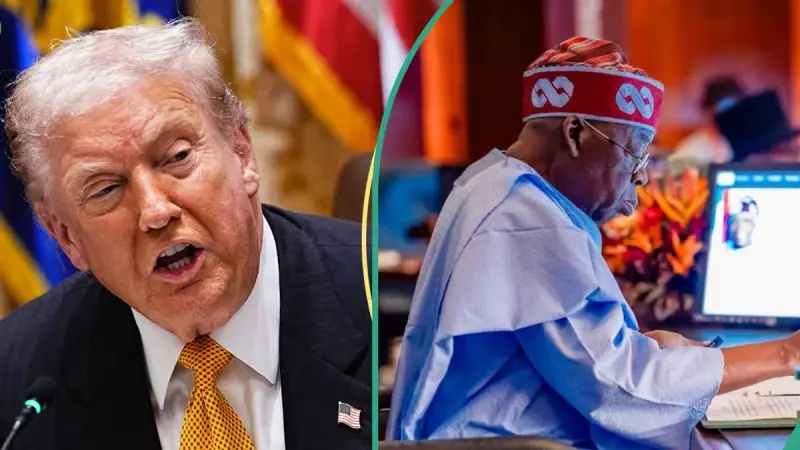
United States Announces Partial Visa Restrictions Affecting Nigerian Nationals
The United States government has implemented a significant policy shift affecting Nigerian travelers, announcing a partial suspension of visa issuance under a new security proclamation. The restrictions, which took effect on January 1, 2026, at 12:01 a.m. Eastern Standard Time, are part of broader immigration actions tied to American national security concerns.
Scope of the Visa Suspension for Nigerian Applicants
Under Presidential Proclamation 10998, the US Department of State will partially suspend visa issuance to nationals of Nigeria alongside eighteen other countries. For Nigerian citizens specifically, the suspension impacts several key visa categories:
- Nonimmigrant visitor visas (B-1 for business and B-2 for tourism purposes)
- Student visas (F and M categories for academic and vocational studies)
- Exchange visitor visas (J category for cultural and educational exchange programs)
- All immigrant visa categories, though with limited exemptions as outlined by US authorities
US officials have emphasized that the restrictions are based on enhanced screening and vetting procedures designed to protect national security and public safety. The measures aim to ensure that individuals granted visas do not pose security risks to the United States.
Important Exemptions and Clarifications
Despite the partial suspension, several categories of travelers remain exempt from these new restrictions:
- Lawful Permanent Residents of the United States
- Dual nationals applying with passports from countries not listed under the suspension
- Special Immigrant Visas for certain US government employees
- Participants in major international sporting events
- Specific humanitarian cases
- Immigrant visas for ethnic and religious minorities facing persecution in Iran
The US Department of State has provided crucial clarifications regarding the proclamation's implementation. The restrictions apply only to foreign nationals who are outside the United States on the effective date and who do not hold valid visas at that time. Importantly, Nigerians and other affected nationals who already possess valid US visas as of January 1, 2026, will not have those visas revoked or cancelled.
Continuing Visa Application Process and Discretionary Exemptions
Visa applicants from Nigeria may continue to submit applications and schedule interviews at US diplomatic missions. However, the Department of State has warned that applicants covered by the proclamation may ultimately be found ineligible for visa issuance or entry into the United States.
The policy includes provisions for case-by-case exemptions. The Secretary of State, in coordination with the Secretary of Homeland Security, may approve travel if it is deemed to serve US national interests. Similar discretionary authority applies to cases involving critical interests of the Department of Justice.
Broader Context and Implications
This announcement represents an expansion of earlier travel restrictions implemented by the Trump administration. President Donald Trump signed the proclamation on December 16, further restricting entry to the United States for nationals from certain high-risk countries, with Nigeria among fifteen additional countries newly subject to partial restrictions.
The policy change is expected to have significant implications for Nigeria, particularly affecting students planning to study in American institutions, business travelers seeking opportunities in the United States, and families with immigration plans. The restrictions come amid ongoing global security concerns and evolving immigration policies in the United States.
While the partial suspension creates new barriers for some Nigerian travelers, the exemptions and case-by-case review processes provide potential pathways for those with compelling circumstances or who fall into protected categories. The situation continues to develop as both governments navigate the implementation of these security-focused immigration measures.




