
United States Officially Exits World Health Organization
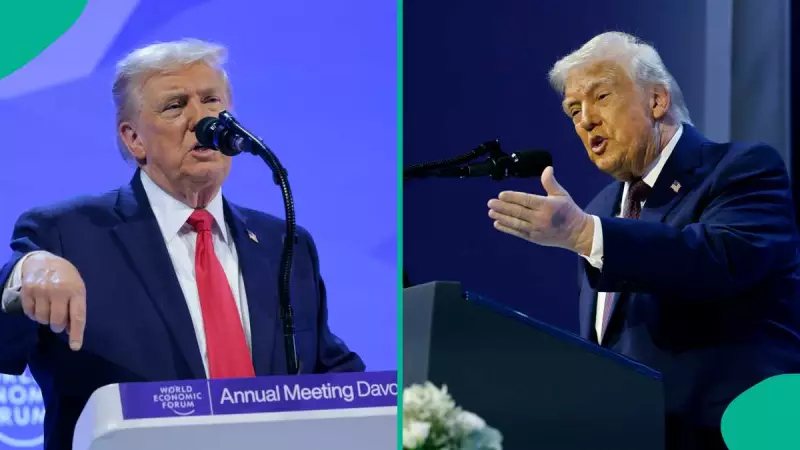
The United States has confirmed its formal withdrawal from the World Health Organization (WHO), marking a significant shift in global health leadership. White House officials stated that this move fulfills President Donald Trump's commitment made under an executive order signed exactly one year earlier.
Official Statement from US Departments
In a joint announcement, the U.S. Department of Health and Human Services and the U.S. Department of State confirmed the completion of the withdrawal process. The statement specifically cited WHO's mishandling of the COVID-19 pandemic that originated in Wuhan, China, along with the organization's failure to adopt urgently needed reforms and its inability to demonstrate independence from political influence.
Health and Human Services Secretary Robert F. Kennedy, Jr. and Secretary of State Marco Rubio jointly noted that President Trump had announced the plan to leave WHO on January 20, 2025, setting in motion the yearlong withdrawal process.
Yearlong Withdrawal Process Details
During the withdrawal period, the United States implemented several significant actions:
- Completely stopped funding to WHO
- Withdrew all personnel from the organization
- Redirected activities previously conducted with WHO to direct bilateral engagements with other countries and organizations
Officials emphasized that future coordination with WHO would be limited and focused solely on finalizing the withdrawal details.
Specific Criticisms of WHO's COVID-19 Response
The U.S. statement outlined several specific failures in WHO's handling of the pandemic:
- Delayed declarations: WHO reportedly delayed declaring a global public health emergency and a pandemic, costing the world critical weeks as the virus spread
- Inappropriate praise for China: WHO leadership praised China's response despite evidence of underreporting, information suppression, and delays in confirming human-to-human transmission
- Downplayed transmission risks: The organization allegedly downplayed asymptomatic transmission risks and failed to promptly acknowledge airborne spread
- Lack of post-pandemic reforms: After the pandemic, WHO reportedly did not adopt meaningful reforms to address political influence, governance weaknesses, or poor coordination
These failures, according to U.S. officials, significantly eroded global trust in the organization's capabilities and impartiality.
New Direction for US Global Health Leadership
The statement highlighted America's continued commitment to global health leadership, stating: "The U.S. is the world's leading force in protecting public health, saving lives, and responding rapidly to infectious disease outbreaks."
Going forward, the U.S. government will pursue global health initiatives through:
- Direct engagements with other countries
- Partnerships with the private sector
- Collaboration with non-governmental organizations
- Cooperation with faith-based entities
U.S.-led efforts will prioritize emergency response capabilities, biosecurity coordination, and health innovation, with a focus on protecting American interests while delivering benefits to partners worldwide.
Broader Context of US International Withdrawals
This WHO withdrawal represents part of a broader pattern of U.S. disengagement from international organizations under the Trump administration. The United States has previously announced withdrawals from 66 international organizations, including the U.N. Framework Convention on Climate Change (UNFCCC), moves that have drawn criticism from experts and former officials concerned about America's global leadership role.
The completion of the WHO withdrawal marks a significant moment in international health governance, potentially reshaping how global health crises are managed and coordinated in the future.




