
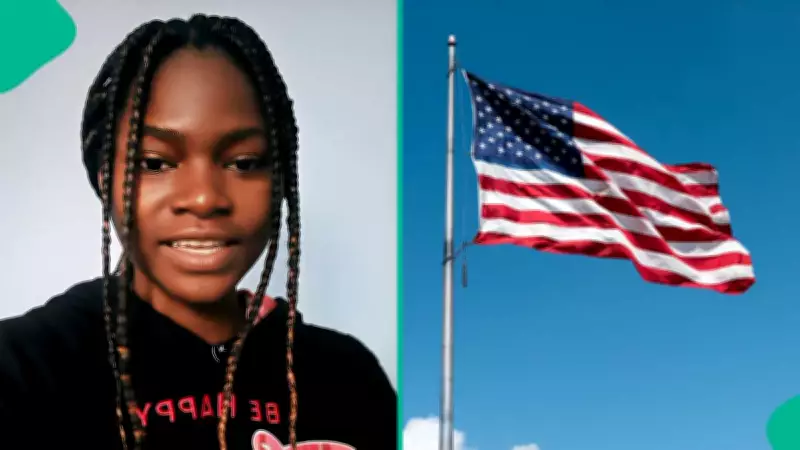
Zambian Citizen Celebrates US Visa Approval Despite Country's Partial Ban Status
A Zambian woman has become an online sensation after successfully obtaining a United States visa despite her home country being subject to partial travel restrictions imposed by the US government. The excited individual shared her triumph on the popular social media platform TikTok, posting a video of herself aboard an airplane with celebratory text overlay.
Visa Type Revelation Sparks Interest
When curious followers inquired about the specific visa category that secured her approval, the woman identified as @naomi555283 on TikTok revealed she had obtained a K-1 visa. This particular non-immigrant visa classification permits foreign-citizen fiancés to enter the United States for marriage purposes within ninety days of arrival.
According to official US Department of State guidelines, the K-1 visa requires an approved Petition for Alien Fiancé(e), Form I-129F, and is specifically designed for individuals planning to marry US citizens. The visa holder must complete the marriage ceremony within the designated ninety-day window following their entry into American territory.
Context of Zambia's Travel Restrictions
Zambia appears on the United States government's list of countries facing partial visa bans, which restricts issuance of certain tourist, business, and student visas including B-1, B-2, F, M, and J categories. The woman's successful application therefore represents a notable exception to these general restrictions, particularly given the specialized nature of the K-1 classification.
Social media evidence from the woman's TikTok profile suggests she may be engaged to a White American man, which would align with the K-1 visa's intended purpose for fiancés of US citizens. Her video caption explicitly referenced the unusual nature of her approval given her country's status, stating "When your country is on partial ban but your USA visa still got approved."
Online Reactions and Community Response
The viral TikTok video generated substantial engagement and commentary from viewers worldwide:
- ML.Njitah commented: "Bcoz Gods grace and favour isn’t at the white house with Trump. Congratulations, stranger."
- Pureivy responded: "Congratulations. I am taping in this, I receive it as my own testimony soon, AMEN."
- setsigma shared: "How? My wife got denied while pregnant with our baby."
- Amb.lilyanUju wrote: "Congratulations dear. I tap on this grace. It shall be so for me too in Jesus name, Amen."
- Dr bea added: "Wow. Congratulations I tap from this grace! God I have celebrated with others may they celebrate me and mine."
Several commenters specifically inquired about the visa type, while others questioned whether approvals were still possible under the existing partial ban framework. The overwhelming sentiment reflected both celebration for the woman's success and hopeful anticipation for similar outcomes among viewers facing immigration challenges.
Broader Immigration Policy Context
This individual case emerges against a backdrop of evolving US immigration policies. Previous reports indicate that the Trump administration expanded travel restrictions to include additional countries while suspending green card applications from certain nations. These measures were reportedly implemented based on national security considerations and concerns regarding vetting procedures and information sharing protocols.
The K-1 visa approval for a Zambian citizen demonstrates that specialized immigration pathways remain accessible even when general travel restrictions affect particular countries. This distinction between broad tourist/business/student visa limitations and specific family-based immigration categories represents an important nuance in US immigration policy implementation.
As immigration policies continue to evolve under different presidential administrations, individual cases like this Zambian woman's visa approval highlight the complex interplay between broad travel restrictions and specific humanitarian or family reunification considerations within the American immigration system.




