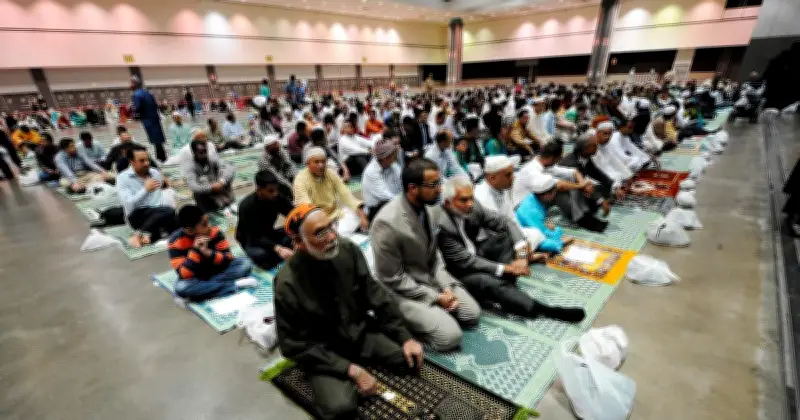
California has officially added Eid al-Fitr and Eid al-Adha to its list of state holidays, but the new law does not automatically give every Californian two additional days off work or school. State employees and some schools can use existing leave arrangements to observe the Islamic holidays.
Governor Signs Assembly Bill 2017
On September 27, 2026, Governor Gavin Newsom signed Assembly Bill 2017, formally adding Eid al-Fitr and Eid al-Adha to California’s list of state holidays. The bill was introduced by Assemblymember Matt Haney and makes California the second US state, after Washington, to recognize both Islamic festivals at the state level.
California, however, has not given everyone two extra days off work. Instead, the new law creates a framework that makes it easier for eligible state employees to observe Eid using existing holiday credits or leave.
What the Law Means for State Employees
For state employees covered by the law, eight hours of vacation, annual leave, compensating time off, or personal holiday credit can be used for Eid al-Fitr or Eid al-Adha, subject to the applicable rules and agreements governing their employment. The legislation also takes into account the fact that the Islamic calendar does not follow the Gregorian calendar, so the dates of Eid change from year to year.
California’s public schools and community colleges can close for Eid when the closures are established through locally negotiated arrangements. Eid al-Fitr comes at the end of Ramadan, the Islamic month of fasting. Eid al-Adha falls during Dhul Hijjah, the final month of the Islamic lunar calendar, and coincides with the annual Hajj season in Makkah.
Impact on Muslim Community
The California chapter of the Council on American-Islamic Relations (CAIR-CA), which co-sponsored the legislation, said the law addresses a longstanding problem for Muslim students and employees who have had to balance religious observance with school and workplace obligations. CAIR-CA says California is home to more than one million Muslims.
This change could make a significant difference in how some Muslim workers and students observe two of Islam’s most important days, even though it does not create universal paid holidays.