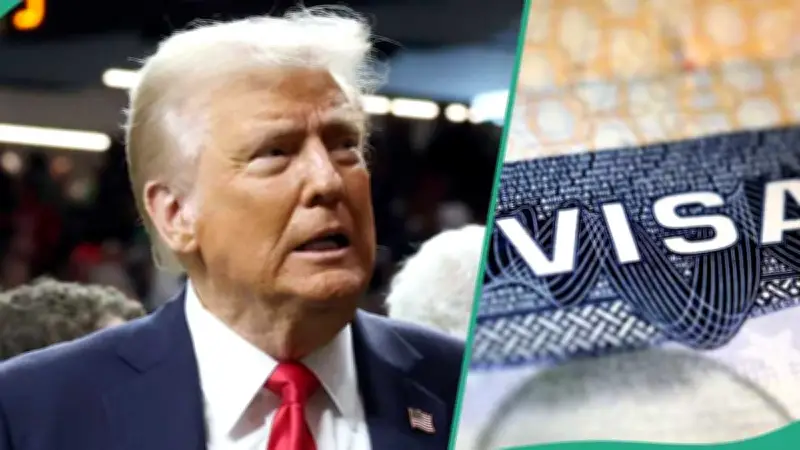
The US Department of State has announced it will extend its mandatory social media screening to three additional nonimmigrant visa categories, effective October 1, 2026. Applicants for I visas (foreign media representatives), TN visas (professionals under the United States-Mexico-Canada Agreement), and TD visas (dependents of TN holders) will now be required to set all their social media profiles to public so that officials can conduct online presence reviews.
Who Must Make Social Media Profiles Public
As part of the expanded vetting process, all applicants in the I, TN, and TD categories are required to adjust the privacy settings on every social media account they hold to "public" or "open." The department stated that this step is necessary to allow officials to carry out the online review process effectively.
The announcement was made in an updated statement issued via the department's website on Friday, September 18, 2026. The change builds on an existing screening framework that has been in place for a range of visa categories.

Visa Categories Already Under Review
The new announcement adds to a vetting framework that already applies to several other visa types. Categories already subject to online presence screening include diplomatic and official visa subcategories A-3 and C-3 (where the applicant is a domestic worker), G-5; student visas F-1, M-1, F-2, and M-2; temporary worker and trainee categories H-1B, H-3, and H-4; exchange visitor visas J-1 and J-2; fiancé and dependent visas K-1, K-2, and K-3.
Also covered are international cultural exchange visa Q; religious occupation visas R-1 and R-2; and visas issued to witnesses, informants, and victims under the S, T, and U classifications.
National Security and Eligibility
The department said it draws on every available source of information during the visa screening process to identify applicants who may be inadmissible to the United States, including those considered a risk to national security or public safety. In its announcement, the department said: "Every visa adjudication is fundamentally a national security decision. The United States remains vigilant throughout the visa issuance process to confirm that applicants do not intend to cause harm to Americans or threaten U.S. interests, and that each applicant can credibly demonstrate eligibility for the visa requested — including a genuine intent to abide by the terms of admission."
The department also noted that receiving a US visa is a privilege granted at the government's discretion and not a right that applicants are entitled to claim.
Earlier, Legit.ng reported that the United States planned to expand visa screening to include social media checks starting March 30, 2026. The new requirement mandates applicants to set their social media accounts to public for scrutiny, and additional visa categories are now subject to rigorous online presence reviews.