
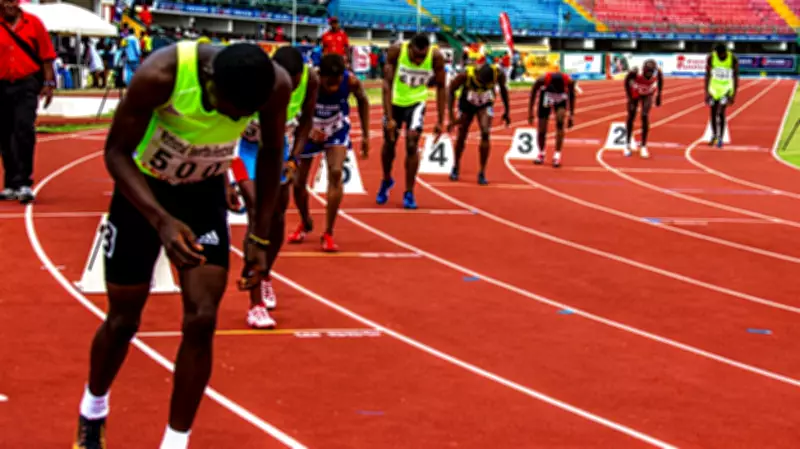
The National Sports Commission (NSC) has summoned all Directors of Sports across the country to a meeting in Abuja on Monday to address the rising tensions surrounding the 2026 National Sports Festival, known as the Coal City Games. The meeting aims to resolve issues that have emerged following the decision to reduce the number of sports from 40 to 15, a move that has sparked threats of boycott from several states.
Background of the Dispute
The Forum of State Directors of Sports and General Managers, along with some Northern and South-South states, have strongly opposed the reduction. They argue that the decision undermines sports development in Nigeria, as it excludes traditional sports, certain Olympic sports, and board games. The directors want the NSC to reinstate the removed events.
According to a source, the NSC is expected to review the resolutions made at the last Council of Sports meeting held in Calabar, Cross River State. One Director of Sports, who spoke on condition of anonymity, stated, "I can't speak on this issue now because the NSC has invited all Directors of Sports for a meeting in Abuja on Monday to deliberate on it. I am sure some of the decisions taken at the Council of Sports meeting in Calabar that led to reduction of number of sports for the Coal City Games may be reviewed because a lot of people have kicked against it."
Allegations of Exclusion
Some protesters have alleged that the NSC did not adhere to the resolution from the Calabar meeting, which supposedly agreed that State Directors of Sports would be actively involved in selecting sports for the festival. Abdullahi Masu, Chairman of the Niger State Sports Commission, described the reduction as "unjustifiable and detrimental to sports development." He noted that Northern states, including Niger, have invested significant resources in training athletes for the now-excluded events. Masu argued that the decision would marginalize the region, which traditionally excels in several team sports.
NSC's Defense
However, the Director General of the NSC, Bukola Olopade, defended the decision, stating that hosting the National Sports Festival is expensive and the commission aims to ease the burden on host states. "This is not new. Even at the Olympics Games level, the number of sports were reduced, and there was nothing like protest," Olopade said. He added that the NSC has asked presidents of the affected sports federations to develop two or three yearly programs, which the commission is ready to support financially. "You don't need to wait for the National Sports Festival before you organise events for your federation," he concluded.
Outlook
The Monday meeting is expected to be a crucial step toward resolving the impasse, with stakeholders hoping for a compromise that balances financial constraints with the need to promote diverse sports development across Nigeria.




